Kontakte

Address

81107, Bratislava, 16, Miskiewiczowa St.

Email

premium.stones.sk@gmail.com

14.08.2026 by admin 0 Comments

Natural Stone for Architects: How to Work with a Supplier

Working with natural stone begins long before installation. An architect needs to understand the material’s properties, available formats, fabrication options and technical limitations. It is equally important to know how a particular slab will look after installation and how its pattern may change under different lighting conditions. A reliable supplier can address these questions during the design stage and help turn an architectural concept into a practical solution.

Natural stone has one important characteristic compared with mass-produced materials – every piece is unique. Differences in veining, tone and texture should therefore not be treated as defects. With proper planning, they become part of the design. Cooperation between an architect and a supplier should begin when material choices are being considered, rather than after the entire project documentation has already been completed.

What Architects Need from a Stone Supplier

When designing an interior or façade, knowing the name of a particular stone is not enough. Information about thickness, available formats, water absorption, durability, surface finish and fabrication options is also required. Material availability matters as well. If a project includes a large continuous surface, the supplier must be able to provide a sufficient quantity of suitable slabs with the desired pattern.

Stone solutions for architects work best when communication is direct and detailed. The architect presents the concept, dimensions and desired visual effect, while the supplier proposes a suitable material and technical solution. Such cooperation helps identify potential problems before fabrication begins.

The intended application must also be considered. A stone selected for a kitchen worktop has different requirements from a material intended for a decorative wall. Façade elements are exposed to weather conditions and therefore require another set of technical considerations. The decision should be based on both aesthetic and practical parameters.

Selecting Material According to the Architectural Concept

Architectural natural stone can significantly influence the character of a building. Light limestone creates a calm and timeless appearance, expressive marble provides a sophisticated visual effect, while darker granite can support a more restrained contemporary concept. Travertine introduces natural texture and a warmer visual impression.

When selecting stone for architects, it is useful to work with actual slabs or high-quality photographs showing the entire material. A small sample often cannot reveal the full extent of the pattern, colour transitions or differences between individual pieces. In larger projects, the correct arrangement of slabs can have a considerable impact on the finished appearance.

A natural stone catalogue serves as a useful starting point. The final decision, however, should be based on an assessment of the actual material available for the specific project. This approach reduces the risk of creating a design around a colour or texture that cannot later be supplied in the required quantity.

Stone Solutions for Designers and Individual Projects

Designers often focus on details related to pattern, material combinations and the overall atmosphere of an interior. Stone solutions for designers therefore need to provide a certain degree of flexibility. One project may require a highly expressive slab for a kitchen island, while other surfaces remain deliberately understated.

Stone for designers can be used for worktops, tables, wall cladding, staircases, fireplaces, bathroom elements and decorative walls. Each application requires consideration not only of appearance, but also of thickness, fixing method, edge treatment and maintenance requirements.

Custom natural stone makes it possible to adapt a product to the specific geometry of a space. With unusual walls, curved edges or large kitchen islands, custom fabrication can determine the quality of the finished result. Accurate measurements must be completed before fabrication begins, as adjustments to finished stone elements are often limited.

From Design to Completion of a Stone Project

Effective cooperation follows clearly defined stages. At the beginning, the intended use, approximate dimensions and desired appearance are discussed. The next steps include selecting the specific slab, assessing its technical suitability and preparing the production documentation.

  • selection of material according to the architectural concept and intended application,
  • checking available formats and technical characteristics,
  • measuring the space and preparing production documentation,
  • stone fabrication including cut-outs, edges and surface finishing,
  • inspection of finished elements and coordination of installation.

This process works for smaller interior commissions as well as larger construction projects. For larger developments, it is useful to establish a delivery schedule and coordinate the work of different trades in advance. Stone elements often connect with joinery, electrical installations, sanitary equipment or façade systems.

Residential and Commercial Stone Projects

Residential stone projects often focus on individual details and specific requirements of the property owner. In a private house, natural material may continue visually from the kitchen into the dining area, bathroom and entrance hall. Individual surfaces do not have to use identical formats, but a shared colour or structural element can create a cohesive visual connection.

Commercial stone projects place greater emphasis on durability, traffic intensity and ease of maintenance. A hotel reception, office entrance hall or retail space must remain representative while handling daily use. Material selection therefore needs to balance appearance with long-term performance.

Stone projects in Slovakia cover a wide range of applications, from smaller interior elements to extensive wall cladding. For every project, the scope of supply should be determined according to the actual requirements of the building and the agreed construction schedule.

Custom Fabrication and Technical Precision

Custom-made stone products require accurate documentation. Technical drawings should include all relevant dimensions, cut-outs and connections. For a worktop, the position of appliances and sink must be checked. For stairs, the dimensions of individual steps are essential, while wall cladding requires accurate positioning of openings and technical elements.

The type of fabrication also affects the result. An edge can be simple, rounded or profiled according to the desired appearance. Honed, polished or matt surfaces influence not only the visual character of the material, but also the way it responds to light and touch.

Premium stone materials require careful handling throughout the entire process. With large-format slabs, transportation, lifting and installation methods should be planned before fabrication begins. Such preparation protects the material and helps maintain the agreed construction schedule.

Working with a Supplier from the First Design Stage

A natural stone supplier in Slovakia should be able to respond to an architect’s requirements throughout the project. Material availability, professional consultation, precise fabrication and installation coordination are all important. For more complex projects, technical details should be discussed before the final project documentation is completed.

Calling a company the best natural stone supplier in Slovakia should not depend solely on the breadth of its catalogue. For an architect, a partner who understands the material, communicates practical options and takes responsibility for its part of the project offers greater value. The ability to handle bespoke requirements and meet agreed deadlines is equally important.

For projects in Bratislava and other Slovak cities, coordinating the entire process through one specialist can simplify communication. PREMIUM STONES handles material selection, stone processing and the fabrication of stone elements according to project requirements. Architects can therefore address technical and aesthetic questions directly with an experienced team and work with the actual possibilities of natural stone from the earliest project stage.
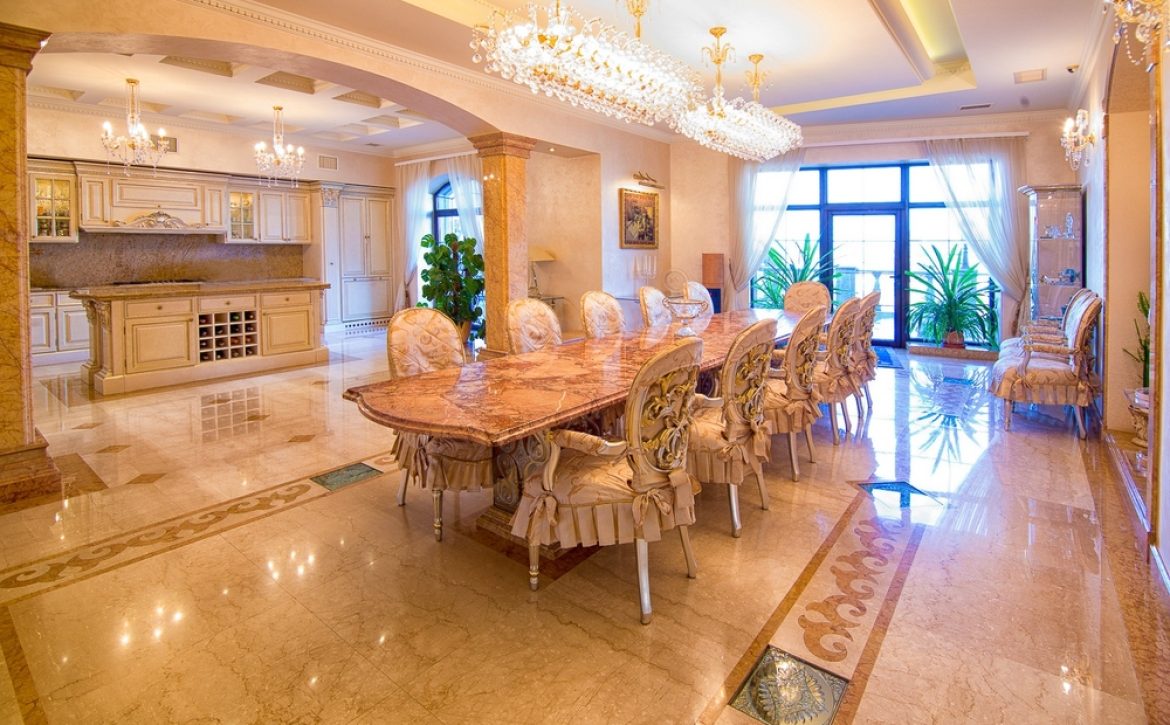
14.08.2026 by admin 0 Comments

Trends in Stone Interiors 2026

2026 brings a renewed interest in materials with pronounced textures, natural imperfections and long service life. Natural stone is increasingly used across larger interior surfaces and often becomes a defining architectural element. Marble, travertine, granite and limestone can transform the atmosphere of a room without requiring a large number of decorative accessories. The right choice of stone type, format, pattern and surface finish plays a key role.

Current interiors are moving towards a calmer visual language. Using fewer materials within one space creates room for the natural pattern of stone to stand out. Architects and designers are increasingly working with large-format elements, expressive veining and natural colour transitions. Stone can be combined with wood, metal, glass or plain-coloured surfaces to create balanced compositions.

Stone as a Dominant Element in Modern Interiors

In contemporary design, stone no longer has to remain merely an additional kitchen or bathroom material. Stone for modern interiors can form an entire wall, floor, staircase, fireplace or kitchen island. A large continuous surface made from the same material creates visual consistency and helps connect different areas of an open-plan layout.

A particularly effective solution is to use stone with a natural pattern on one dominant surface. The remaining elements of the room can remain more restrained. This approach works especially well in open living areas where the living room, kitchen and dining space form a single composition. The result remains balanced while gaining a distinctive architectural character.

For minimalist projects, interior stone surfaces with subtle patterns and a matt finish are also suitable. The surface does not immediately attract attention, yet daylight reveals the natural structure of the material. Under evening lighting, the same stone can appear softer and warmer.

Large-Format Surfaces and Natural Patterns

One of the strongest directions for 2026 is reducing the number of visible joints. Large formats make it possible to create continuous surfaces where the natural pattern remains clearly visible. Natural stone for interiors can therefore reveal its full character without being interrupted by numerous joints.

The selection of the actual slab becomes particularly important in such projects. Every block of natural stone has its own structure. With strongly veined materials, individual slabs can be arranged so that the pattern flows naturally from one surface to the next. Achieving such a result requires experience, precise measurements and careful planning before fabrication begins.

Walls That Define the Character of a Space

Wall cladding can change the proportions of a room while creating an expressive background for furniture. Stone wall cladding is used in living rooms, entrance areas, dining spaces and representative offices. With the right material, a single wall can replace numerous decorative elements.

Interior stone cladding does not necessarily have to cover the entire room. It can work equally well on a section of the wall behind a television, around a staircase or surrounding a fireplace. The thickness of the elements, installation method and lighting all influence the result. Spotlights positioned along the surface can emphasise relief and natural irregularities.

A stone feature wall in the living room remains a popular solution in private houses. Light travertine or beige limestone creates a calm atmosphere, while darker stone provides stronger contrast with furniture. When selecting the material, the flooring and amount of natural light should also be considered, as the same stone may look noticeably different in different rooms.

Stone Flooring for Contemporary Homes

Modern stone flooring is increasingly used in open-plan living spaces. A continuous floor can visually connect the kitchen with the living room and hallway. At the same time, the natural pattern prevents a large surface from appearing too sterile.

The choice should take into account the level of use, water absorption, slip resistance and cleaning requirements. Luxury stone flooring can become a major feature of a representative interior, but the material must still meet the practical demands of the space. A stone suitable for a quiet bedroom may not be the best choice for an entrance hall exposed daily to sand, moisture and dirt.

Stone for Luxury Interiors and Sophisticated Spaces

Stone for luxury interiors is often selected for the uniqueness of its pattern. Expressive marbles with long veins, deep dark tones or softly layered travertine can create a distinctive signature throughout a project. In luxury installations, attention is also paid to details that may go unnoticed in more standard applications.

Luxury stone surfaces can be used for kitchen islands, bathroom walls, reception areas, staircases or fireplaces. Maintaining a balance between the stone and other materials is essential. If the marble pattern is intended to become the main feature of the room, furniture and accessories can remain visually restrained.

For demanding projects, stone for luxury interiors can be selected with particular attention to the individual slab and precise adaptation to the building dimensions. The final result is influenced by the direction of the pattern, edge profile, joint design and surface finish. Even a small detail can determine how a large stone surface will appear after completion.

Custom Material Instead of a Standard Solution

2026 brings a stronger emphasis on individualisation. Custom-made stone products make it possible to adapt both dimensions and shapes to a specific space. Fabrication can include kitchen worktops, window sills, stairs, vanity tops, table elements and wall cladding panels.

For bespoke projects, it is worth planning the entire process from material selection through to installation. Technical drawings, accurate measurements and detailed inspections reduce the risk of errors during production. Premium stone products also make it possible to achieve details that are not always possible with standard solutions.

Particular attention is given to a VIP collection of natural stone, where the uniqueness of the material and its suitability for the specific architecture are especially important. Exclusive natural stones may feature distinctive colours, unusual patterns or highly individual structures. With such materials, the arrangement of individual slabs should be planned before fabrication begins.

Stone Interiors in Austrian Projects

Experience from completed projects shows that a modern stone interior requires a carefully considered combination of materials. Austrian stone craftsmanship offers precise processing options for both private and commercial properties. Larger projects require attention not only to the material itself, but also to logistics, technical specifications and the installation process.

Stone fabrication in Austria makes it possible to produce elements according to individual project documentation and specified dimensions. A high-quality installation begins with selecting the right slab and continues with accurate measuring, processing and inspection of finished elements. Such a process is particularly important for large formats and technically complex details.

In Vienna, natural stone is used in modern apartments, private houses and representative commercial interiors. Stone craftsmanship in Vienna can respond to different architectural requirements through custom fabrication and prepare solutions according to the individual project.

The choice of stone for modern design should be based on the overall concept of the space, its intended use and the desired level of maintenance. PREMIUM STONES provides natural stone selection, precise processing and the fabrication of elements according to individual requirements. Each project is assessed in terms of pattern, format, surface finish and technical solution so that the finished interior remains visually coherent and the material retains its value throughout long-term use.

14.08.2026 by admin 0 Comments

Stone Kitchen Worktop: Marble, Granite or Quartzite

A worktop is one of the most heavily used elements in a kitchen. Every day, it comes into contact with water, food, dishes, hot cookware and cleaning products. The choice should therefore be based not only on colour and pattern, but also on hardness, water absorption, stain resistance and maintenance requirements. Natural stone offers extensive possibilities for households where the kitchen needs to remain functional for many years while also serving as an important part of the interior.

When planning a kitchen, the worktop should be considered together with the other surfaces. Cabinet fronts, flooring, wall cladding and metal details can significantly influence the overall appearance. A well-considered material selection begins with an assessment of the space and the way the kitchen will be used. Only then does it make sense to choose between individual types of stone.

What Properties Does a Natural Stone Worktop Have?

A stone worktop can have different characteristics depending on the type of stone, surface finish and thickness. Natural material has its own pattern, colour transitions and subtle structural variations. Every worktop therefore has an individual appearance. On larger surfaces, the pattern can be planned so that individual sections connect visually.

The position of the sink, hob and other openings also needs to be considered. These areas require precise processing. The thickness of the material, support structure and joint design are equally important. For long worktops or kitchen islands, technical details are planned during the measuring stage so that the finished structure remains stable while maintaining a clean appearance.

Marble Worktop for an Elegant Interior

Marble has remained popular because of its distinctive pattern and wide range of colours. A marble worktop can look subtle when featuring light tones and delicate veining, or become the dominant element of a kitchen with a contrasting pattern. The material works well in both classic and contemporary interiors.

Marble requires more attention to everyday maintenance. The material is more sensitive to acidic substances and certain types of contamination. Wine, citrus juices and vinegar may affect the surface if left in contact with it for an extended period. Suitable impregnation and appropriate cleaning products help preserve its appearance. Marble is particularly suitable for clients who want a distinctive natural material in the kitchen and are prepared to provide the necessary care.

Granite Worktop for Intensive Everyday Use

Granite is one of the materials suitable for kitchens with high levels of daily use. A granite worktop provides high hardness and good resistance to mechanical stress. With proper processing, it can withstand everyday food preparation while retaining its natural pattern and depth of colour.

Granite should not be selected based solely on its colour. Individual varieties differ in structure, porosity and appearance after processing. A polished surface emphasises colour and pattern, while a more matt finish creates a calmer visual effect. When making a choice, it is useful to examine a larger sample or the actual slab, as a small sample may not fully reveal the character of the material.

Quartz Worktop for Modern Kitchens

A quartz worktop is a solution for clients looking for a distinctive appearance combined with practical properties. A distinction should be made between natural quartz and industrially manufactured composite materials containing a high proportion of quartz. Technical characteristics should therefore always be assessed according to the specific product.

In a modern kitchen, quartz can create a clean, uniform surface or reproduce the appearance of marble. One advantage is the wide selection of colours and the more predictable appearance of large surfaces. However, the manufacturer’s recommendations should be followed when placing hot objects on the worktop, and suitable protective mats should be used. Even a highly resistant material is not intended for unlimited exposure to extreme heat.

Made-to-Measure Worktop for the Kitchen Layout

Every kitchen has its own dimensions and specific requirements. A made-to-measure worktop can be adapted to walls, kitchen islands and individual appliances. In unusual layouts, it is possible to accommodate curves, cut-outs, connections and overhangs according to the individual design.

Made-to-measure stone worktops require precise measurements before production. Even a small deviation can affect the positioning of the sink or hob. The measuring process therefore includes checking walls, cabinets, openings and areas where the worktop will connect with other kitchen elements.

What to Consider During Installation

The installation of a stone kitchen worktop involves several sensitive stages. The finished element must be transported safely, positioned correctly and precisely connected with the surrounding parts of the kitchen. Large worktops can be technically demanding to handle, so the installation process is planned according to dimensions, weight and access conditions.

Before installation, dimensions and the condition of the supporting structure are checked. Cut-outs, joints and connections are then completed. A properly executed joint should be visually discreet while providing sufficient stability. Particular attention is required around the sink, hob and wall cladding, where moisture can accumulate during everyday kitchen use.

Professional installation involves precise measurements and technologies appropriate for the specific type of stone. The final result depends on material quality, processing and installation. Even a high-quality worktop can look unsuitable if joints or transitions between individual surfaces have been poorly designed.

How Much Does a Stone Worktop Cost?

The price of a stone worktop is determined by several factors. The type of material, thickness, dimensions, number of cut-outs, edge processing, surface finish and installation complexity all affect the final cost. An unusual island shape or a requirement for precise pattern matching can also increase the overall price.

For this reason, the calculation should be based on the specific project. A price per square metre may not include all the work required to complete the worktop. An accurate quotation can be prepared after the material has been selected, measurements have been taken and the required processing has been defined.

Stone Worktops for Projects in Slovakia

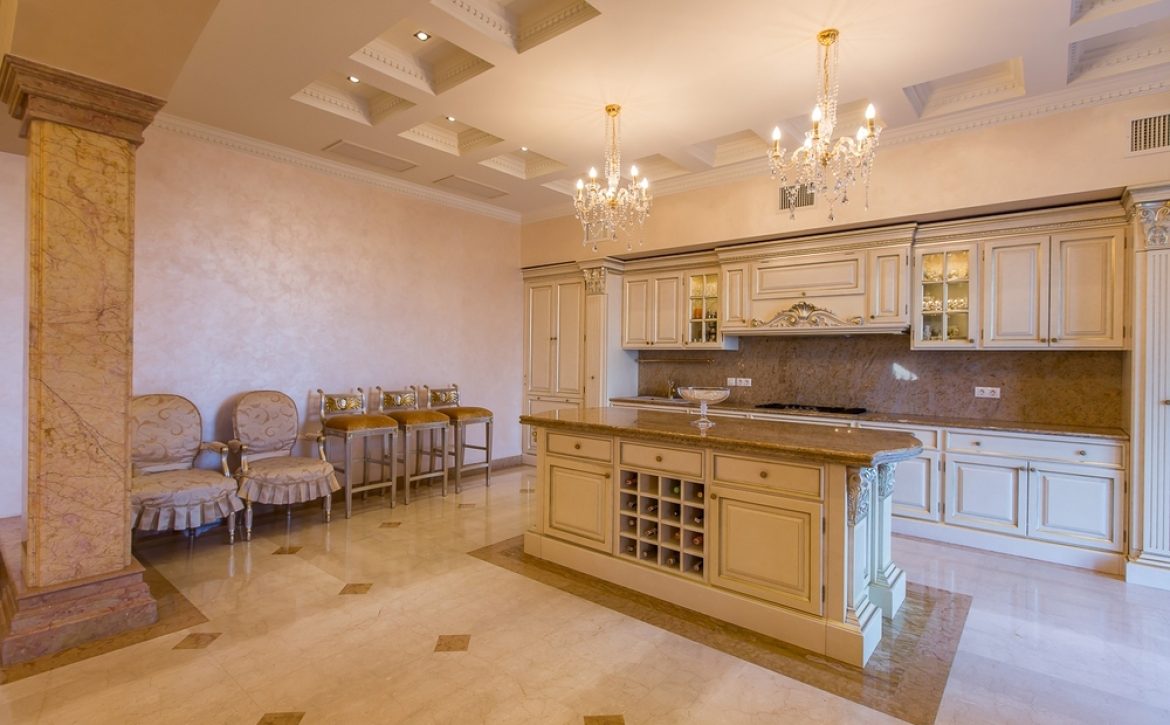
Stone worktops in Slovakia are used in private kitchens, luxury apartments and representative properties. Modern layouts often feature large kitchen islands where the natural pattern of the stone can become a central design element. In smaller kitchens, a more understated worktop can complement light-coloured or wooden cabinets.

In Bratislava, the choice of worktop is increasingly considered as part of the overall architectural concept of the interior. Worktops in Bratislava range from simple straight surfaces to large islands with integrated cut-outs and custom details. In premium projects, attention is also paid to the direction of the stone pattern, edge finishing and the connection between the worktop and wall cladding.

Luxury stone worktops can have a highly distinctive character, but the best result is achieved when the material respects the architecture of the room. Premium stone worktops do not necessarily have to become the most prominent element of the kitchen. In some interiors, a restrained pattern works better and provides a coherent foundation for the other materials.

When selecting a stone worktop, aesthetic expectations should be combined with practical requirements. PREMIUM STONES provides the selection, processing and installation of stone worktops according to the specific kitchen layout. A professional approach makes it possible to assess material suitability, plan the required processing and create a solution that matches both the interior design and everyday use.

14.08.2026 by admin 0 Comments

Travertine: A Classic Stone That Never Goes Out of Style

Travertine is one of those natural materials that has retained its place in architecture for decades. Its porous structure, subtle colour transitions and distinctive pattern look natural even in contemporary buildings. The stone can create a warm atmosphere in a private interior, a representative appearance in an entrance hall or an elegant façade surface. With the right selection and processing, travertine has a character that adapts well to changing design trends.

Different grades and formats of the material are available on the market. Working with travertine therefore begins with selecting a specific type according to its intended use, desired appearance and maintenance requirements. Surface treatment also plays an important role. Honed, polished, brushed or naturally textured finishes can create completely different visual effects even when the same stone is used.

Why Natural Travertine Remains Popular in Architecture

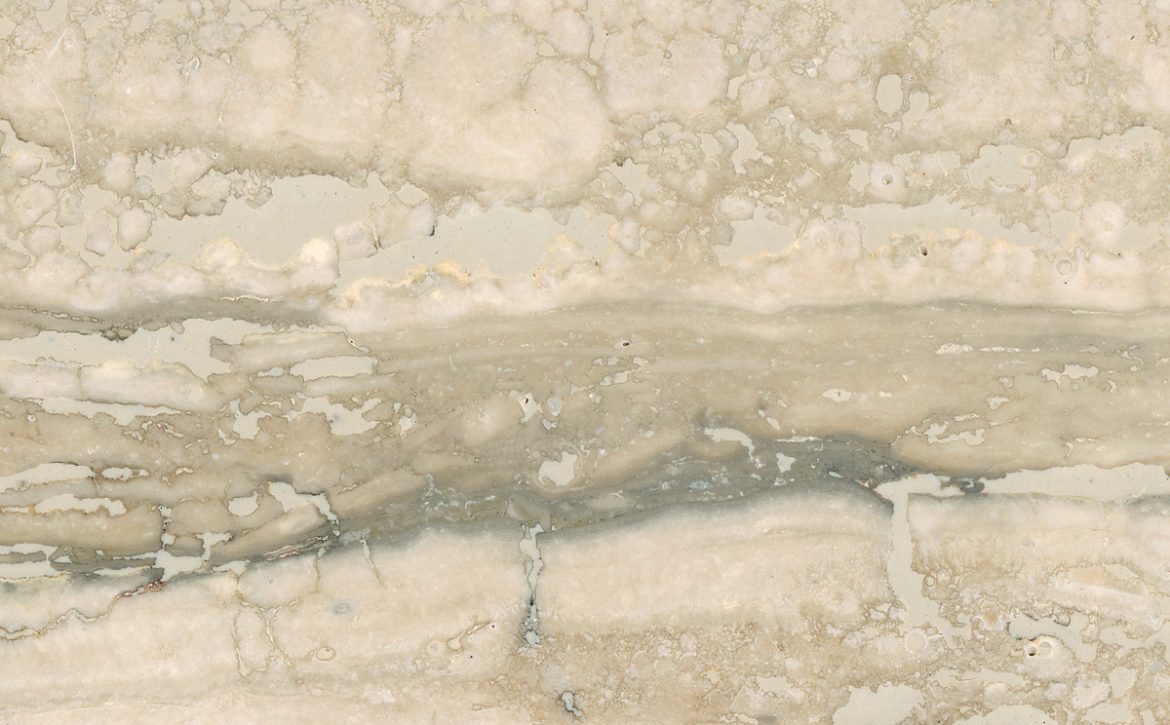
Travertine forms through the deposition of minerals and develops its characteristic porous structure during the formation process. These natural irregularities give every piece an individual appearance. Natural shades range from light ivory and cream through beige to more pronounced brownish tones. This colour range allows the stone to be combined with wood, metal, glass and traditional plaster.

For projects in Slovakia, natural travertine is selected according to both technical parameters and the intended aesthetic effect. More durable varieties and suitable surface treatments are used in areas exposed to greater loads. In living spaces, the pattern and colour consistency may be the main priorities. The final appearance also depends on the installation method, joint width and orientation of individual slabs.

Travertine Slabs and Processing Options

Large-format travertine slabs make it possible to create continuous surfaces with fewer joints. Such a solution works particularly well on walls, kitchen elements, bathroom surfaces and representative architectural features. Smaller formats provide greater flexibility in irregular spaces and make it easier to adapt the material to a particular layout.

With custom production, dimensions and processing can be adapted to the project. Custom travertine solutions may include precise cutting, edge finishing, openings or elements manufactured according to technical drawings. This approach is suitable for unusual walls, staircases, furniture and architectural details where standard formats may not deliver the required result.

Travertine Cladding and Flooring

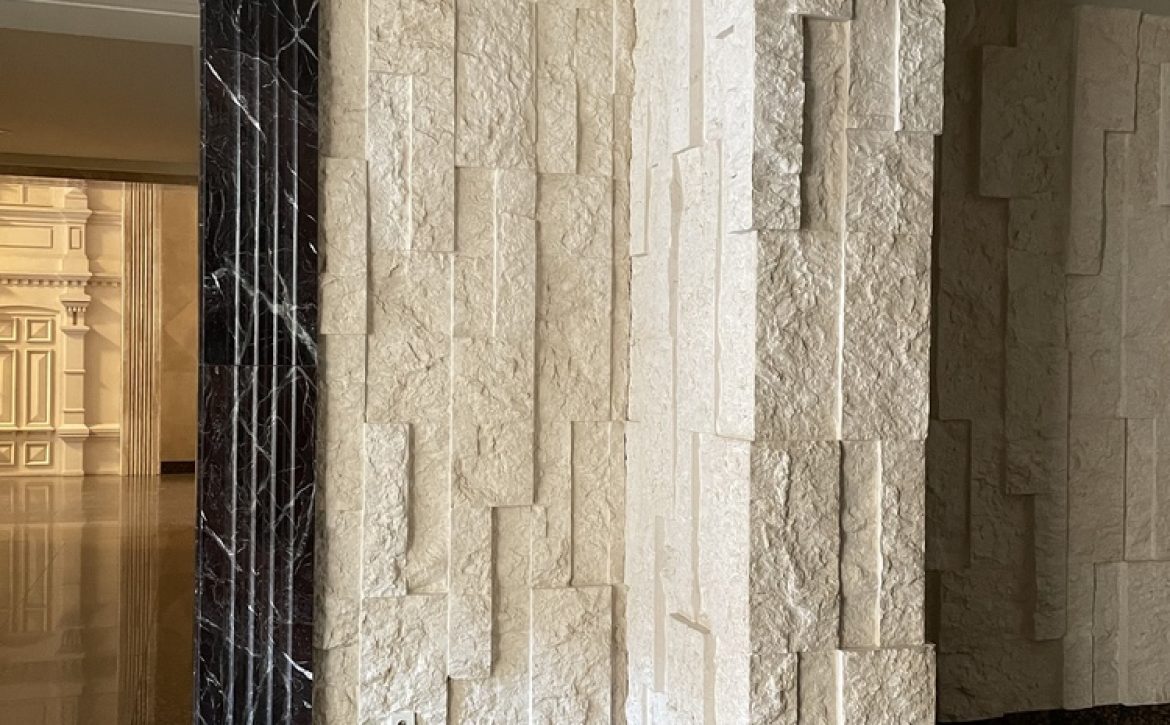
Travertine cladding creates a distinctive yet natural texture on the wall. In an interior, it can cover an entire surface or only a selected section that requires visual emphasis. For façades, the durability of the material, suitable anchoring and protection against weather conditions are considered first.

Travertine flooring has a distinctive character and can create a highly harmonious appearance when properly finished. The material is suitable for entrance areas, hallways, living rooms and bathrooms. Selection takes into account the intensity of use, slip resistance and the required maintenance method. In areas exposed to moisture, choosing a surface with good grip is particularly important.

Travertine floors can be visually connected with wall surfaces or used as an independent design element. For larger areas, it is worth planning the installation direction and arrangement of individual pieces in advance. The stone pattern can then appear organised while retaining its natural irregularity.

Travertine for Interiors and Exteriors

Travertine can be used in residential spaces as well as for exterior architectural elements. Indoors, the material is suitable for walls, floors, staircases, bathroom cladding and other surfaces. A travertine bathroom can create a calm and timeless atmosphere, particularly when light stone is combined with wood or simple sanitary fixtures.

Travertine staircases require precise edge finishing and an appropriate slip-resistant treatment. The design should account for everyday loads and the intended cleaning method. The surface finish should therefore be selected according to practical requirements rather than appearance alone.

For exterior applications, travertine can be used for façade cladding, terraces, steps or entrance areas. Water absorption, frost resistance, element thickness and installation method must be considered. A properly designed system helps extend the service life of the surface and maintain its appearance despite regular exposure to rain and temperature changes.

Travertine for Architects and Designers

Architectural travertine offers extensive possibilities for both expressive and minimalist designs. Architects use it for façades, entrance areas, wall cladding and representative interiors. Designers particularly appreciate its natural pattern, which can visually connect different materials within a project.

When planning a project, it is important to assess a sample under conditions similar to those of the final installation. Artificial lighting can significantly change the perception of colour and texture. Daylight, on the other hand, can emphasise the relief of the surface. Selection should therefore consider not only a small sample but also the expected size and orientation of the complete surface.

For architects and designers, the availability of a specific format, shade and quantity may also be important. For larger projects, travertine is selected with consideration for delivery consistency, the possibility of ordering additional material later and the required processing method.

From Stone Selection to Installation

Professional material selection involves assessing several properties at the same time. The most important include:

  • shade, pattern and surface texture;
  • dimensions, thickness and weight of individual elements;
  • water absorption and suitability for the intended environment;
  • required type of surface finish;
  • installation method and subsequent maintenance.

When calculating the cost, the type of material, format, quantity, processing and complexity of installation are taken into account. The travertine price may therefore differ between two projects with a similar surface area. The selected grade, number of custom cuts and requirements for specialised processing can have a significant impact on the final cost.

Travertine in Bratislava and Other Slovak Projects

Travertine is increasingly used in Bratislava for both interiors and modern family homes. Light shades work particularly well in minimalist architecture, while a more pronounced pattern can create a strong focal point in a representative room.

A travertine supplier in Slovakia should be able to provide material suitable for the intended application and offer professional advice on its processing. When clients want to buy travertine in Slovakia, it is worth considering the entire process, from selecting the slabs through processing and preparation for installation. Such an approach reduces the risk of differences between the expected and final appearance.

Travertine remains attractive even as interior design trends change. Its natural pattern is not tied to a particular era and can work equally well in classical and contemporary spaces. Premium travertine in Slovakia allows elegant solutions to be created for demanding projects, while luxury travertine can become a striking feature even within a relatively simple architectural concept.

PREMIUM STONES provides travertine selection and supply for interior and exterior projects, with a focus on material quality, appropriate application and precise processing. Each project is considered according to the character of the building, technical requirements and desired visual result. This approach allows travertine to become a natural part of the overall design while retaining its value and appearance for years to come.

14.08.2026 by admin 0 Comments

Installation of Stone Cladding: What to Pay Attention To

When installing stone cladding, the quality of the substrate, the correct choice of material and strict adherence to the installation technology are crucial. The finished surface must safely withstand the conditions to which it will be exposed while fitting naturally into the architecture of the building. Before starting the work, we therefore assess the condition of the wall, its flatness, absorbency, strength and the expected load.

Choosing the Material for a Specific Surface

Stone cladding can differ in thickness, weight, texture and water absorption. In interiors, the choice is often based on appearance, maintenance requirements and the overall style of the room. Marble cladding gives a space a distinctive pattern and elegant character. Granite cladding is valued for its hardness and resistance to mechanical stress. Travertine cladding has a natural appearance and combines well with wood, plaster and metal.

Natural stone cladding should be selected according to the location where it will be installed. Material intended for an exterior wall must withstand rain, frost, sunlight and temperature changes. In interiors, maintenance, contact with water and the overall visual effect are more important. The choice of material should therefore be based on the specific building rather than only on a photograph or sample.

What to Check Before Façade Installation

Stone cladding for a façade requires a strong and cohesive substrate. Old peeling layers, cracks, dust or unsuitable coatings can reduce adhesion. Before bonding, the surface is cleaned, levelled where necessary and prepared with an appropriate primer. For heavier elements, the need for mechanical anchoring is also assessed.

Stone house cladding must be designed with the entire wall structure in mind. The installation process includes corners, window sills, reveals, the plinth, upper terminations and connections with other materials. The price of stone cladding for a house therefore depends on several technical factors rather than on the surface area alone.

For interior projects, stone cladding can create a feature wall or a subtle architectural detail. Modern interior stone cladding often uses larger formats, more precise joints and a simpler pattern. In a living room, a stone wall can highlight the television wall, the area behind the sofa or another architectural element.

Heat-Exposed Surfaces Require Special Attention

Stone cladding around a fireplace must be selected with temperature changes in mind. The design must follow the instructions provided by the heating appliance manufacturer, the recommendations for the adhesive and the required clearances. Expansion joints are also important so that the movement of materials during heating and cooling does not cause cracks.

Before installation, we primarily check:

  • the strength and flatness of the substrate,
  • the absorbency and cleanliness of the surface,
  • the weight and format of individual elements,
  • the anchoring method and required curing times,
  • the connection of the cladding with surrounding structures.

Installation Technology Affects Durability

Stone cladding in Bratislava can cover a small area near an entrance or a large part of a house. Each project begins with a layout plan. This approach helps distribute colour and texture differences between individual pieces and prevents visually unsuitable concentrations of similar elements.

A stone façade requires precise positioning, consistent joints and properly executed connections. Mechanical securing is particularly important on larger surfaces. Stone façade installation includes continuous checks of the surface plane, element positioning and the quality of the connection with the substrate. After installation, the surface is cleaned and, depending on the type of stone, may be treated with a suitable protective coating.

The price of a stone façade is determined by the material, surface area, building height, wall complexity, number of openings, amount of cutting and fastening method. The price of stone cladding can therefore vary considerably between two projects with the same surface area if their technical conditions differ.

The Façade Should Respect the Architecture of the House

A stone façade in Bratislava can have either a modern or traditional character. When designing the overall appearance, the colour of the roof, windows, doors and other surfaces should be taken into account. Stone house cladding in Bratislava can highlight an entrance, plinth or selected part of the façade without covering the entire building.

Stone façades in Slovakia are made from materials with different properties, so one installation method cannot automatically be applied to every type of stone. Natural stone façades in Slovakia must be adapted to the climatic conditions and construction of the particular building.

Marble façades in Slovakia have a prestigious appearance and work particularly well on architecturally distinctive buildings. Granite façades in Slovakia provide high durability and a pronounced texture. Luxury stone façades can be designed with restraint so that the material remains the main visual feature. Modern stone façades often combine stone with smooth plaster, wood or metal elements.

What Professional Assessment Includes

During an inspection, we assess the condition of the substrate, accessibility of the work area, building height and façade complexity. The transport and handling of heavier elements are also taken into account. Such an assessment makes it possible to determine the installation procedure more accurately and prepare a realistic estimate without unnecessary assumptions.

When planning stone façades in Bratislava, the visual result is considered alongside the technical requirements. Premium stone façades stand out when corners, joints and transitions between individual surfaces are executed precisely. Stone façade cladding in Slovakia must also take frost resistance, water absorption and protection against moisture penetration into account.

Details Determine the Final Appearance

Maintenance should also be considered during the design stage. Some types of stone require regular impregnation, while others naturally change their shade and develop a patina over time. Stone façade cladding should be selected so that its properties correspond to the conditions of the particular building.

Natural stone for façades can create a durable and distinctive surface when installed correctly. However, stone façade cladding must have properly designed connections and protection for exposed areas. Every project therefore requires attention not only to the installation itself but also to the details that determine stability and appearance after completion.

PREMIUM STONES provides professional stone cladding installation with a focus on substrate preparation, the correct choice of technology and precise finishing of details. Each building is assessed according to its construction and intended use. This approach makes it possible to combine the natural beauty of stone with a technically reliable result.