

Natural Stone for Architects: How to Work with a Supplier
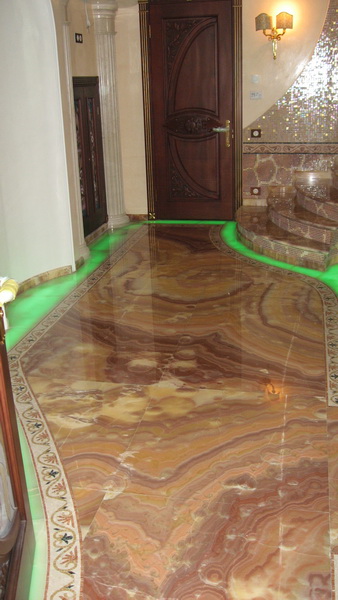
Working with natural stone begins long before installation. An architect needs to understand the material’s properties, available formats, fabrication options and technical limitations. It is equally important to know how a particular slab will look after installation and how its pattern may change under different lighting conditions. A reliable supplier can address these questions during the design stage and help turn an architectural concept into a practical solution.
Natural stone has one important characteristic compared with mass-produced materials – every piece is unique. Differences in veining, tone and texture should therefore not be treated as defects. With proper planning, they become part of the design. Cooperation between an architect and a supplier should begin when material choices are being considered, rather than after the entire project documentation has already been completed.
What Architects Need from a Stone Supplier
When designing an interior or façade, knowing the name of a particular stone is not enough. Information about thickness, available formats, water absorption, durability, surface finish and fabrication options is also required. Material availability matters as well. If a project includes a large continuous surface, the supplier must be able to provide a sufficient quantity of suitable slabs with the desired pattern.
Stone solutions for architects work best when communication is direct and detailed. The architect presents the concept, dimensions and desired visual effect, while the supplier proposes a suitable material and technical solution. Such cooperation helps identify potential problems before fabrication begins.
The intended application must also be considered. A stone selected for a kitchen worktop has different requirements from a material intended for a decorative wall. Façade elements are exposed to weather conditions and therefore require another set of technical considerations. The decision should be based on both aesthetic and practical parameters.
Selecting Material According to the Architectural Concept
Architectural natural stone can significantly influence the character of a building. Light limestone creates a calm and timeless appearance, expressive marble provides a sophisticated visual effect, while darker granite can support a more restrained contemporary concept. Travertine introduces natural texture and a warmer visual impression.
When selecting stone for architects, it is useful to work with actual slabs or high-quality photographs showing the entire material. A small sample often cannot reveal the full extent of the pattern, colour transitions or differences between individual pieces. In larger projects, the correct arrangement of slabs can have a considerable impact on the finished appearance.
A natural stone catalogue serves as a useful starting point. The final decision, however, should be based on an assessment of the actual material available for the specific project. This approach reduces the risk of creating a design around a colour or texture that cannot later be supplied in the required quantity.
Stone Solutions for Designers and Individual Projects
Designers often focus on details related to pattern, material combinations and the overall atmosphere of an interior. Stone solutions for designers therefore need to provide a certain degree of flexibility. One project may require a highly expressive slab for a kitchen island, while other surfaces remain deliberately understated.
Stone for designers can be used for worktops, tables, wall cladding, staircases, fireplaces, bathroom elements and decorative walls. Each application requires consideration not only of appearance, but also of thickness, fixing method, edge treatment and maintenance requirements.
Custom natural stone makes it possible to adapt a product to the specific geometry of a space. With unusual walls, curved edges or large kitchen islands, custom fabrication can determine the quality of the finished result. Accurate measurements must be completed before fabrication begins, as adjustments to finished stone elements are often limited.
From Design to Completion of a Stone Project
Effective cooperation follows clearly defined stages. At the beginning, the intended use, approximate dimensions and desired appearance are discussed. The next steps include selecting the specific slab, assessing its technical suitability and preparing the production documentation.
- selection of material according to the architectural concept and intended application,
- checking available formats and technical characteristics,
- measuring the space and preparing production documentation,
- stone fabrication including cut-outs, edges and surface finishing,
- inspection of finished elements and coordination of installation.
This process works for smaller interior commissions as well as larger construction projects. For larger developments, it is useful to establish a delivery schedule and coordinate the work of different trades in advance. Stone elements often connect with joinery, electrical installations, sanitary equipment or façade systems.
Residential and Commercial Stone Projects
Residential stone projects often focus on individual details and specific requirements of the property owner. In a private house, natural material may continue visually from the kitchen into the dining area, bathroom and entrance hall. Individual surfaces do not have to use identical formats, but a shared colour or structural element can create a cohesive visual connection.
Commercial stone projects place greater emphasis on durability, traffic intensity and ease of maintenance. A hotel reception, office entrance hall or retail space must remain representative while handling daily use. Material selection therefore needs to balance appearance with long-term performance.
Stone projects in Slovakia cover a wide range of applications, from smaller interior elements to extensive wall cladding. For every project, the scope of supply should be determined according to the actual requirements of the building and the agreed construction schedule.
Custom Fabrication and Technical Precision
Custom-made stone products require accurate documentation. Technical drawings should include all relevant dimensions, cut-outs and connections. For a worktop, the position of appliances and sink must be checked. For stairs, the dimensions of individual steps are essential, while wall cladding requires accurate positioning of openings and technical elements.
The type of fabrication also affects the result. An edge can be simple, rounded or profiled according to the desired appearance. Honed, polished or matt surfaces influence not only the visual character of the material, but also the way it responds to light and touch.
Premium stone materials require careful handling throughout the entire process. With large-format slabs, transportation, lifting and installation methods should be planned before fabrication begins. Such preparation protects the material and helps maintain the agreed construction schedule.
Working with a Supplier from the First Design Stage
A natural stone supplier in Slovakia should be able to respond to an architect’s requirements throughout the project. Material availability, professional consultation, precise fabrication and installation coordination are all important. For more complex projects, technical details should be discussed before the final project documentation is completed.
Calling a company the best natural stone supplier in Slovakia should not depend solely on the breadth of its catalogue. For an architect, a partner who understands the material, communicates practical options and takes responsibility for its part of the project offers greater value. The ability to handle bespoke requirements and meet agreed deadlines is equally important.
For projects in Bratislava and other Slovak cities, coordinating the entire process through one specialist can simplify communication. PREMIUM STONES handles material selection, stone processing and the fabrication of stone elements according to project requirements. Architects can therefore address technical and aesthetic questions directly with an experienced team and work with the actual possibilities of natural stone from the earliest project stage.