

Trends in Stone Interiors 2026
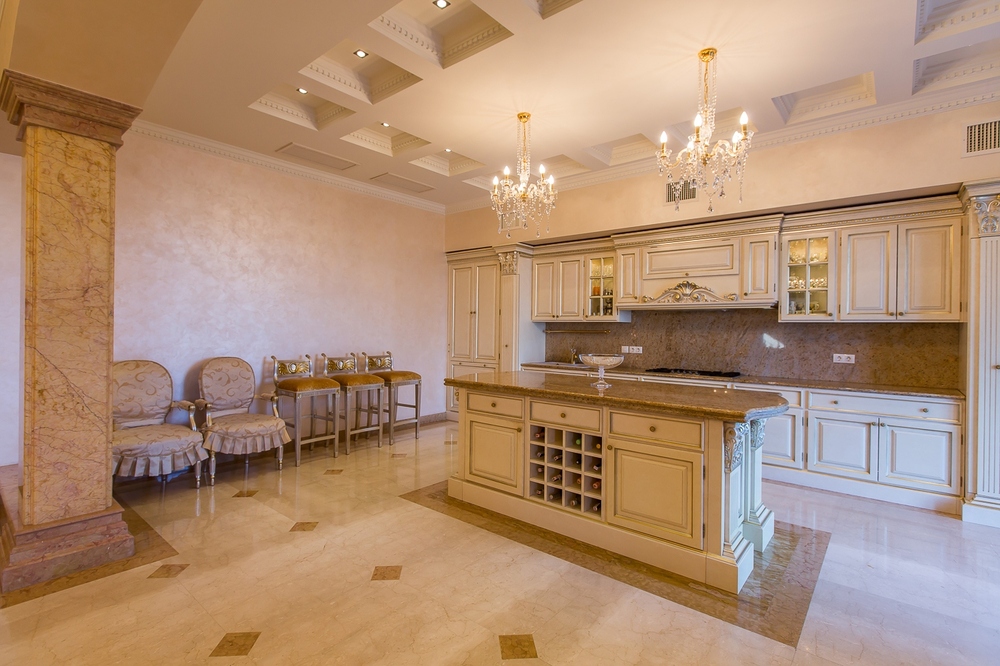
2026 brings a renewed interest in materials with pronounced textures, natural imperfections and long service life. Natural stone is increasingly used across larger interior surfaces and often becomes a defining architectural element. Marble, travertine, granite and limestone can transform the atmosphere of a room without requiring a large number of decorative accessories. The right choice of stone type, format, pattern and surface finish plays a key role.
Current interiors are moving towards a calmer visual language. Using fewer materials within one space creates room for the natural pattern of stone to stand out. Architects and designers are increasingly working with large-format elements, expressive veining and natural colour transitions. Stone can be combined with wood, metal, glass or plain-coloured surfaces to create balanced compositions.
Stone as a Dominant Element in Modern Interiors
In contemporary design, stone no longer has to remain merely an additional kitchen or bathroom material. Stone for modern interiors can form an entire wall, floor, staircase, fireplace or kitchen island. A large continuous surface made from the same material creates visual consistency and helps connect different areas of an open-plan layout.
A particularly effective solution is to use stone with a natural pattern on one dominant surface. The remaining elements of the room can remain more restrained. This approach works especially well in open living areas where the living room, kitchen and dining space form a single composition. The result remains balanced while gaining a distinctive architectural character.
For minimalist projects, interior stone surfaces with subtle patterns and a matt finish are also suitable. The surface does not immediately attract attention, yet daylight reveals the natural structure of the material. Under evening lighting, the same stone can appear softer and warmer.
Large-Format Surfaces and Natural Patterns
One of the strongest directions for 2026 is reducing the number of visible joints. Large formats make it possible to create continuous surfaces where the natural pattern remains clearly visible. Natural stone for interiors can therefore reveal its full character without being interrupted by numerous joints.
The selection of the actual slab becomes particularly important in such projects. Every block of natural stone has its own structure. With strongly veined materials, individual slabs can be arranged so that the pattern flows naturally from one surface to the next. Achieving such a result requires experience, precise measurements and careful planning before fabrication begins.
Walls That Define the Character of a Space
Wall cladding can change the proportions of a room while creating an expressive background for furniture. Stone wall cladding is used in living rooms, entrance areas, dining spaces and representative offices. With the right material, a single wall can replace numerous decorative elements.
Interior stone cladding does not necessarily have to cover the entire room. It can work equally well on a section of the wall behind a television, around a staircase or surrounding a fireplace. The thickness of the elements, installation method and lighting all influence the result. Spotlights positioned along the surface can emphasise relief and natural irregularities.
A stone feature wall in the living room remains a popular solution in private houses. Light travertine or beige limestone creates a calm atmosphere, while darker stone provides stronger contrast with furniture. When selecting the material, the flooring and amount of natural light should also be considered, as the same stone may look noticeably different in different rooms.
Stone Flooring for Contemporary Homes
Modern stone flooring is increasingly used in open-plan living spaces. A continuous floor can visually connect the kitchen with the living room and hallway. At the same time, the natural pattern prevents a large surface from appearing too sterile.
The choice should take into account the level of use, water absorption, slip resistance and cleaning requirements. Luxury stone flooring can become a major feature of a representative interior, but the material must still meet the practical demands of the space. A stone suitable for a quiet bedroom may not be the best choice for an entrance hall exposed daily to sand, moisture and dirt.
Stone for Luxury Interiors and Sophisticated Spaces
Stone for luxury interiors is often selected for the uniqueness of its pattern. Expressive marbles with long veins, deep dark tones or softly layered travertine can create a distinctive signature throughout a project. In luxury installations, attention is also paid to details that may go unnoticed in more standard applications.
Luxury stone surfaces can be used for kitchen islands, bathroom walls, reception areas, staircases or fireplaces. Maintaining a balance between the stone and other materials is essential. If the marble pattern is intended to become the main feature of the room, furniture and accessories can remain visually restrained.
For demanding projects, stone for luxury interiors can be selected with particular attention to the individual slab and precise adaptation to the building dimensions. The final result is influenced by the direction of the pattern, edge profile, joint design and surface finish. Even a small detail can determine how a large stone surface will appear after completion.
Custom Material Instead of a Standard Solution
2026 brings a stronger emphasis on individualisation. Custom-made stone products make it possible to adapt both dimensions and shapes to a specific space. Fabrication can include kitchen worktops, window sills, stairs, vanity tops, table elements and wall cladding panels.
For bespoke projects, it is worth planning the entire process from material selection through to installation. Technical drawings, accurate measurements and detailed inspections reduce the risk of errors during production. Premium stone products also make it possible to achieve details that are not always possible with standard solutions.
Particular attention is given to a VIP collection of natural stone, where the uniqueness of the material and its suitability for the specific architecture are especially important. Exclusive natural stones may feature distinctive colours, unusual patterns or highly individual structures. With such materials, the arrangement of individual slabs should be planned before fabrication begins.
Stone Interiors in Austrian Projects
Experience from completed projects shows that a modern stone interior requires a carefully considered combination of materials. Austrian stone craftsmanship offers precise processing options for both private and commercial properties. Larger projects require attention not only to the material itself, but also to logistics, technical specifications and the installation process.
Stone fabrication in Austria makes it possible to produce elements according to individual project documentation and specified dimensions. A high-quality installation begins with selecting the right slab and continues with accurate measuring, processing and inspection of finished elements. Such a process is particularly important for large formats and technically complex details.
In Vienna, natural stone is used in modern apartments, private houses and representative commercial interiors. Stone craftsmanship in Vienna can respond to different architectural requirements through custom fabrication and prepare solutions according to the individual project.
The choice of stone for modern design should be based on the overall concept of the space, its intended use and the desired level of maintenance. PREMIUM STONES provides natural stone selection, precise processing and the fabrication of elements according to individual requirements. Each project is assessed in terms of pattern, format, surface finish and technical solution so that the finished interior remains visually coherent and the material retains its value throughout long-term use.