

Natural Stone in the Bathroom: Practical and Aesthetic Solutions
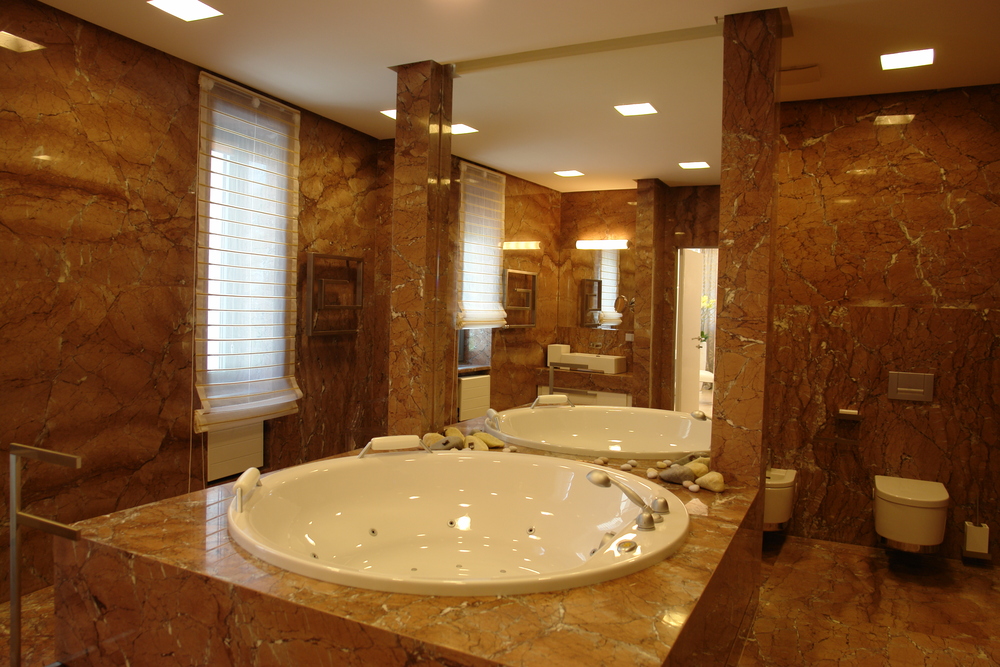
The bathroom is one of the spaces where practical requirements meet high aesthetic expectations. Humidity, temperature changes, everyday use and the need for simple maintenance all influence the choice of materials. Natural stone brings strength, natural veining and an atmosphere that is difficult to reproduce with mass-produced surfaces.
With thoughtful planning, stone can be used on walls, floors, shower areas, around the bathtub or for a vanity top. The finished interior does not have to feel cold or overly formal. The right colour, format and surface finish can create a warm and calm bathroom that remains visually relevant for many years.
Material Selection Influences Both Appearance and Everyday Maintenance
Every type of natural stone has its own character. A marble bathroom can appear light and elegant thanks to delicate veining or create a stronger visual impression when a material with contrasting patterns is selected. Marble is often used for walls, vanity tops and other surfaces where its natural structure can stand out.
A granite bathroom creates a different type of visual impression. Granite is known for its strength and distinctive structure, while individual varieties differ in colour, grain and overall character. The right selection can create a very calm interior or a striking contrast with light walls and minimalist fittings.
Material selection also takes into account how the stone will be used. A surface intended for a shower area has different requirements from a decorative wall that is not exposed to direct water. Technical properties, correct fabrication and suitable surface protection all remain important.
Stone Cladding Can Unite the Entire Interior
Bathroom stone cladding can cover one dominant wall or create a unified foundation for the entire space. Large-format slabs reduce the number of visible joints and make it possible to work with the natural pattern of the material. With careful planning, the veining can continue smoothly across several surfaces.
The choice is not based on colour alone. The direction of the pattern, the format of individual pieces, the way they connect and their relationship with other elements also matter. Stone with a strong structure can become the focal point of the space, while a calmer material allows wood, metal or colourful accessories to play a more prominent role.
Natural stone for a bathroom should be selected according to the specific conditions of the project. The size of the room, intensity of use, direct contact with water and maintenance requirements all need to be considered. Such an approach helps combine aesthetics with a practical solution.
A Modern Bathroom Can Work with Contrast and Natural Materials
A modern stone bathroom does not have to be based on a single material from floor to ceiling. An interesting result often comes from combining stone surfaces with wood, glass, metal elements and simple sanitary fixtures. The natural pattern then has enough space to stand out without visually overwhelming the interior.
In a smaller bathroom, light-coloured stone can make the space appear larger. Darker shades create a more intimate atmosphere, particularly when combined with carefully planned lighting. Large formats create calm surfaces with fewer distracting joints, supporting a clean architectural appearance.
Lighting plays a very important role. The same stone can look completely different in daylight and under warm artificial light. When planning the interior, it is therefore worth assessing the material in the context of the entire space rather than relying only on a small sample.
Vanity Tops and Stone Sinks as Distinctive Features
One of the most common ways to use stone in the bathroom is to create a vanity top. A stone bathroom countertop can be designed for one or two sinks and adapted to the specific space. The fabrication process takes into account cut-outs, thickness, edge finishing and the method of installation.
A stone sink represents an even more distinctive solution. It can be made from the same material as the countertop or create a contrasting element. Its design takes into account the shape, depth of the basin, drainage and cleaning requirements. Precision is particularly important because every detail remains visible in the interior.
With the right design, the countertop and sink can appear as one compact element. Such a solution works well in minimalist interiors as well as bathrooms with a more decorative concept.
A Custom Bathroom Respects the Specific Space
Every space has its own dimensions, proportions and technical limitations. A custom bathroom makes it possible to adapt stone elements to the actual layout instead of forcing the design to follow standard dimensions of ready-made products.
The planning process takes into account the position of doors, window height, utility connections and the proportions of individual surfaces. The dimensions of the slabs, cut-outs and connection methods are then determined. In larger areas, planning the direction of the natural pattern also matters, helping the final result appear balanced and natural.
This approach creates luxury stone bathrooms in which every element fits into the overall concept. Value comes not only from the material itself. Precision of detail, quality of fabrication and the ability to combine technical solutions with interior architecture are equally important.
Technical Details Determine Long-Term Satisfaction
Bathroom environments place specific demands on materials. Regular contact with water, humidity and cleaning products requires appropriate surface preparation. Stone protection should be selected according to its properties and intended use.
Installation is equally important. Stone bathroom installation involves the precise positioning of individual elements, properly designed joints and connections to other structures. Cut-outs for taps, drains and other components require a high level of accuracy.
Professional fabrication also takes future maintenance into account. Surfaces should remain accessible for cleaning, and individual elements should be designed so that water does not unnecessarily collect in problematic areas.
How Much Does a Natural Stone Bathroom Cost?
The price of a stone bathroom depends on several factors. The final value is influenced by the type of material, total surface area, slab thickness, number of cut-outs and the complexity of fabrication and installation. With natural stone, the specific pattern and availability of the selected material also play a role.
When making a decision, it is worth considering the entire project rather than only the price per square metre. A more complex design may require precise measurements, special edge finishing or more demanding installation. The final quality depends on all these stages.
Natural stone bathrooms in Slovakia cover a wide range of solutions for private residences, apartments and representative commercial spaces. Each project is assessed according to its specific architecture and the desired result.
Material and Fabrication Must Work as One Whole
A premium stone bathroom is created when the material selection supports the overall interior concept. Expressive marble needs enough space for its veining to stand out. A more subtle stone can create a calm foundation for distinctive lighting or furniture.
Projects in the capital often include modern apartments, new-build properties and private residences with unusual layouts. Stone bathrooms in Bratislava therefore require not only high-quality material but also precise planning, coordination and reliable execution.
PREMIUM STONES provides the selection, fabrication and installation of natural stone for bathroom interiors according to the requirements of each project. The design process takes into account the appearance of the material, technical requirements and the way the space will be used every day. The result can be a bathroom that feels natural, has a clear architectural character and remains comfortable for everyday use.