

How to Maintain Natural Stone in the Kitchen
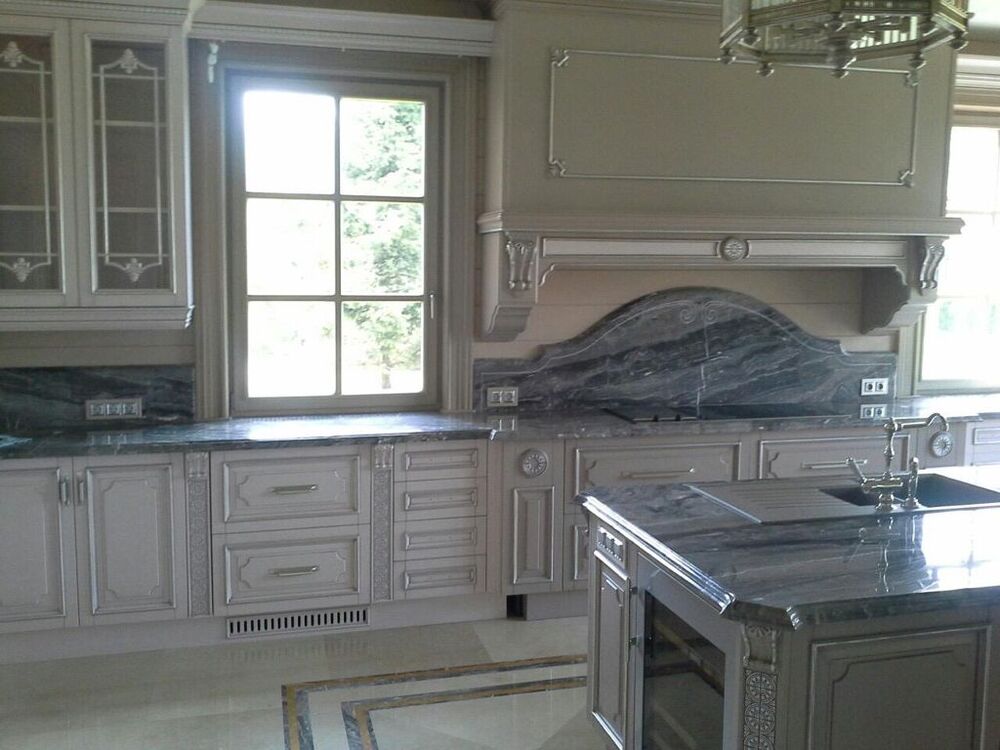
The kitchen worktop is one of the most heavily used elements in any home. Every day, it comes into contact with water, food, hot cookware, sharp objects and cleaning products. With the right material and proper care, however, it can remain attractive and functional for many years.
Natural stone brings distinctive veining, a natural texture and a sense of durability to the kitchen. Every worktop has its own character. Differences in veining, colour transitions and subtle details create a surface that does not feel mass-produced. At the same time, such material requires a certain level of care because different types of stone have different properties and maintenance requirements.
Every Type of Stone Requires Slightly Different Care
When choosing a material, it is important to understand its structure and durability. A marble worktop can stand out with its expressive veining and elegant appearance, but it requires a more careful approach in everyday use. Acidic foods such as citrus fruits or vinegar can affect the surface of certain types of marble if they remain on it for an extended period.
A granite worktop is one of the solutions known for its high mechanical resistance. Granite handles the everyday demands of a kitchen well and, with proper protection, can preserve its structure and appearance for many years. For regular cleaning, a soft cloth and a product suitable for the specific type of natural stone are usually sufficient.
A quartz worktop has different properties depending on the specific material and its composition. Maintenance should always follow the recommendations for the particular surface. Universal aggressive cleaning products may not be suitable even for materials that appear highly resistant.
Daily Cleaning Determines the Appearance of the Surface
The simplest way to keep a stone worktop in good condition is to remove dirt regularly. Spilled liquids should not be left on the surface for hours. Coffee, wine, oil and strongly coloured foods can leave stains on more porous materials, especially when the surface does not have sufficient protection.
For everyday maintenance, use a soft cloth or a sponge without an abrasive layer. The surface can then be wiped with clean water and dried. Regular care reduces the risk of grease build-up and the formation of a film that can gradually diminish the natural appearance of the stone.
A few simple habits are worth following during everyday use:
- remove spilled liquids as soon as possible;
- use a separate cutting board for food preparation;
- place hot cookware on a suitable protective mat or trivet;
- avoid cleaning products containing abrasive particles.
Protective Impregnation Helps Preserve the Natural Appearance
Some types of natural stone have a naturally more open structure. Protective impregnation reduces the penetration of liquids and makes everyday maintenance easier. It does not create an unnatural layer on the surface but provides additional protection according to the properties of the particular material.
The frequency of reapplying impregnation depends on the type of stone, the intensity of use and the specific product. A kitchen used for cooking every day has different requirements from a guest kitchen that is used less frequently. For this reason, maintenance recommendations should be determined according to the specific worktop.
When selecting the material, it is worth considering maintenance before fabrication begins. A stone kitchen worktop should correspond not only to the design of the kitchen but also to the way it will be used. A family that cooks every day and prepares large quantities of food will have different requirements from a client for whom the kitchen primarily serves as a representative part of the interior.
Proper Use Extends the Life of the Worktop
Even highly durable stone has its limits. Cutting directly on the surface can leave small marks. Placing a hot pot on a sensitive surface can cause thermal shock. Heavy objects dropped from a height may damage edges or weakened areas around cut-outs.
Particular attention should be paid to the areas around the sink and hob. These zones are regularly exposed to water, steam and increased temperatures. High-quality fabrication and professional installation help ensure the correct fitting of individual elements and reduce the risk of problems during everyday use.
Custom Fabrication Begins with the Right Material Selection
A stone worktop is manufactured according to the specific layout of the kitchen. Dimensions, cut-outs, thickness, edge finishing and installation method are planned before fabrication begins. In more complex projects, the continuity of individual sections and the direction of the natural veining are also considered.
A custom worktop makes it possible to adapt the solution to a specific space. An unusual wall, an atypical floor plan or a large kitchen island does not necessarily represent a limitation. Accurate measurements and coordination between design, fabrication and installation remain essential.
Custom stone worktops are suitable for projects where precise adaptation to every detail is expected. During the selection process, not only the appearance of the worktop is assessed, but also the position of joints, the edge profile and the way the surface will be used every day.
The Difference Between Everyday Maintenance and Professional Care
Regular cleaning can be handled by the household. In the case of deep stains, loss of surface protection or visible changes in appearance, professional assessment may be appropriate. Incorrectly selected chemical products can make the problem worse and, in some cases, cause permanent damage.
When choosing a material, it is therefore worth considering the entire life cycle of the kitchen. Natural stone for a worktop can serve for decades when selected correctly and maintained regularly. Its appearance may naturally change over time, but high-quality material and professional fabrication provide a strong foundation for long-term use.
Luxury stone worktops require the same attention as other high-quality interior elements. Stone does not require a complicated daily routine, but it does need suitable cleaning products and respect for its specific properties. Such an approach helps preserve the veining, surface and overall impression of the kitchen.
Installation Affects Both Appearance and Practical Use
Stone worktop installation involves more than simply placing the material on top of the kitchen cabinets. Correct levelling, secure positioning, precise connections at the walls and high-quality cut-outs are all important. Every detail can affect everyday comfort and the long-term stability of the construction.
In projects where a high level of workmanship is required, premium stone worktops are created through a combination of high-quality material, precise fabrication and an experienced installation team. The result is not only visually impressive. Everyday use is comfortable, and the individual elements of the kitchen connect naturally with one another.
What Influences the Price and Overall Value of the Solution
The price of a stone worktop depends on the type of material, dimensions, thickness, number of cut-outs, edge finishing and installation complexity. With natural stone, the specific veining and availability of the chosen material also play a role. Two worktops with a similar colour may have different values depending on the quality and character of the stone.
Stone worktops in Slovakia cover a wide range of projects, from smaller apartment kitchens to large residential developments. In every case, it is worth considering not only the initial investment but also the service life, appearance and maintenance requirements.
Stone worktops in Bratislava are often installed in modern new-build properties, renovated apartments and large family homes. For urban projects, coordination of schedules, precise measurement and logistics are often particularly important. The finished worktop must fit exactly into the prepared space.
PREMIUM STONES provides the selection, fabrication and installation of stone worktops according to the specific requirements of each project. The design process takes into account the type of stone, the intended use, the architecture of the kitchen and the client’s expectations regarding maintenance. A well-chosen worktop can then remain a natural and functional part of the kitchen for many years.