

Stained Glass as Part of an Exclusive Interior
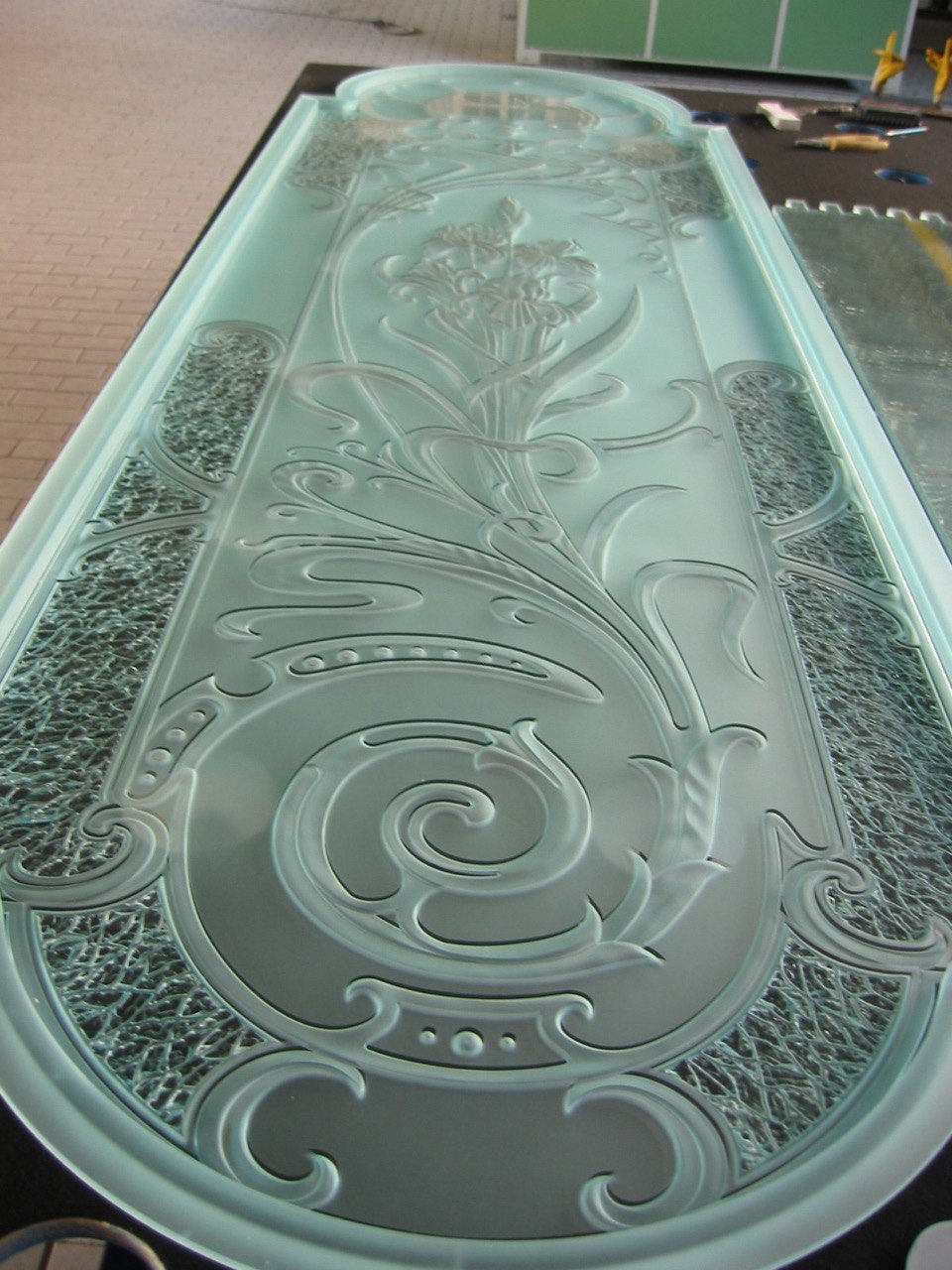
An interior can look complete even without prominent decorative elements. Sometimes, however, a single distinctive feature determines its entire character. Stained glass can work with light, colour and space at the same time. Throughout the day, its appearance changes depending on the intensity of sunlight, the direction of the light and the surrounding environment. In the morning, it may appear delicate and airy, while in the evening it can create a deeper and more intimate atmosphere.
Such variability gives the interior a living element that does not feel like an ordinary decoration. Every detail has its place, and the final image is created through a combination of craftsmanship, artistic design and precise technical execution. The process therefore begins long before the glass is actually placed into its frame.
Why Stained Glass Attracts Attention Even in a Modern Interior
In the past, stained glass was mainly associated with historic architecture, sacred buildings or representative structures. Contemporary interior design offers much broader possibilities. A properly designed motif can complement a minimalist apartment, an elegant residence, a hotel lobby or a private study.
The final impression depends on proportions, colour palette and the way light is used. A bold coloured motif can create a dominant focal point in the room. A more delicate composition can separate individual zones without the use of a solid partition. This creates visual division while preserving the openness of the interior.
Modern stained glass often uses geometric lines, abstract forms and a limited colour palette. The result can appear highly contemporary, even though the technique is rooted in a long-standing craft tradition. The contrast between an age-old material and a modern design creates a particularly interesting atmosphere.
From the Initial Idea to the Finished Composition
Every project begins with an understanding of the space. Dimensions, window orientation, the amount of natural light and the overall interior style all play an important role. A large entrance hall requires a different approach from a smaller window in a private residence.
Stained glass design is created with the specific location in mind. The concept may be inspired by architectural lines, natural motifs, historical references or a completely abstract composition. The viewing distance also matters. A motif designed to be viewed from several metres away may require a different scale of detail from a decorative element intended for close observation.
The relationship between the glass, the frame and the surrounding environment is also considered during the design process. The stained glass should feel like a natural part of the space. If it is intended to be the focal point, the remaining elements can remain more restrained. In a more decorative interior, the design can instead be coordinated with furniture, textiles or architectural details.
Materials and Light Create the Final Character
Glass is not simply a coloured surface. Its texture, transparency and ability to capture light influence the overall impression. Some types appear rich and intense, while others create delicate transitions. Combining different surface finishes can create contrast between smooth and textured areas.
When colours are selected, both natural and artificial lighting are taken into account. A composition facing south may appear more vivid during the day than the same design in a space with less sunlight. Colour selection is therefore not only a matter of personal taste. It is important to consider how the material will function in the conditions where it will remain for many years.
Artistic stained glass can contain numerous small details, but simple compositions with a few carefully considered lines can be equally impressive. The value of a design does not depend on the number of elements. Their proportions and ability to create a harmonious whole are more important.
Stained Glass Windows as an Architectural Element
When used in a window, stained glass also gains a practical function. It changes the character of incoming light and creates a distinctive atmosphere in the room. Depending on the design, it can enhance privacy or visually separate the interior from its surroundings.
Stained glass windows are used in residential interiors, representative entrances, historic buildings and new architectural projects. Their design requires consideration of the opening dimensions, the method of fixing and the technical conditions of installation.
A well-designed composition can complement the architecture without competing with it. In a historic building, the proportions and character of the structure are respected. In a modern home, a striking contrast can instead emerge between clean architecture and coloured light.
From Decoration to a Dominant Interior Feature
Decorative stained glass does not have to be large to create a strong effect. A smaller panel in a door, partition or furniture element can change the overall perception of a room. In larger projects, stained glass can cover a substantial surface and become one of the main architectural features.
Luxury stained glass is often created for interiors where individuality and attention to detail are important. The finished element is adapted to the specific space rather than produced according to a universal template. Every design can have its own colour concept, rhythm and scale.
Large surfaces require particular attention to the composition of individual sections. Connections must be technically reliable while also fitting visually into the overall design. The finished result should appear as one harmonious image.
Stained Glass in Historic and Sacred Spaces
Stained glass for churches and other historically significant buildings represents a special category of projects. Such commissions often require respect for the original architecture, existing motifs and specific technical conditions.
When an older stained glass piece is being restored, the condition of each individual part must first be assessed. Some elements can be preserved, while others require professional restoration or the creation of a replacement. Every intervention should respect the value of the original work and its role within the architecture.
For a new design intended for a historic building, the overall character of the structure can serve as a starting point. A modern composition does not have to copy older patterns, but it should communicate with the space and respect its scale.
Precise Installation Protects the Design Result
Manufacturing represents only one part of the entire process. Stained glass installation requires a properly prepared opening, a suitable fixing method and precise positioning. With larger or heavier compositions, the load-bearing capacity of the structure and the distribution of weight must also be assessed.
During installation, the position of individual sections, stability and connections to surrounding structures are checked. Even high-quality stained glass can lose part of its visual impact if it is installed inaccurately. The technical side therefore contributes to the final quality just as much as the artistic design itself.
Premium stained glass is created through a combination of high-quality materials, experience and careful work at every stage of the project. From the initial consultation to the final installation, maintaining a consistent vision of the result is essential.
What Influences the Price of Stained Glass?
The price of stained glass depends on several factors. The size of the composition, complexity of the design, number of details, type of glass and level of processing all have an impact. For larger projects, the structural solution and installation method also influence the final calculation.
The difference between a simple decorative panel and a large-scale artistic work can be significant. Every project should therefore be assessed individually. When preparing a design, it is important to define not only the desired appearance but also the dimensions, technical conditions and intended use.
Stained glass projects in Slovakia cover a wide range of applications, from private interiors to representative and historic buildings. Projects in the capital often involve demanding architectural requirements where precise coordination of every stage is essential.
Individual Design Creates a Distinctive Character
Exclusive stained glass can give an interior a strong personality without the need for numerous additional decorations. Colour, light and pattern naturally change throughout the day, keeping the space visually alive.
Stained glass in Bratislava is created for many types of interiors, from modern residences to representative commercial spaces. Every commission requires an individual approach to design, materials and technical solutions.
PREMIUM STONES provides the design, production and installation of stained glass according to the architecture of the specific space and the client’s vision. The work combines artistic concept with careful attention to materials, detail and installation precision. The finished stained glass can remain a distinctive feature of the interior for many years while preserving a unique character that cannot be achieved through mass production.