

Travertine: A Classic Stone That Never Goes Out of Style
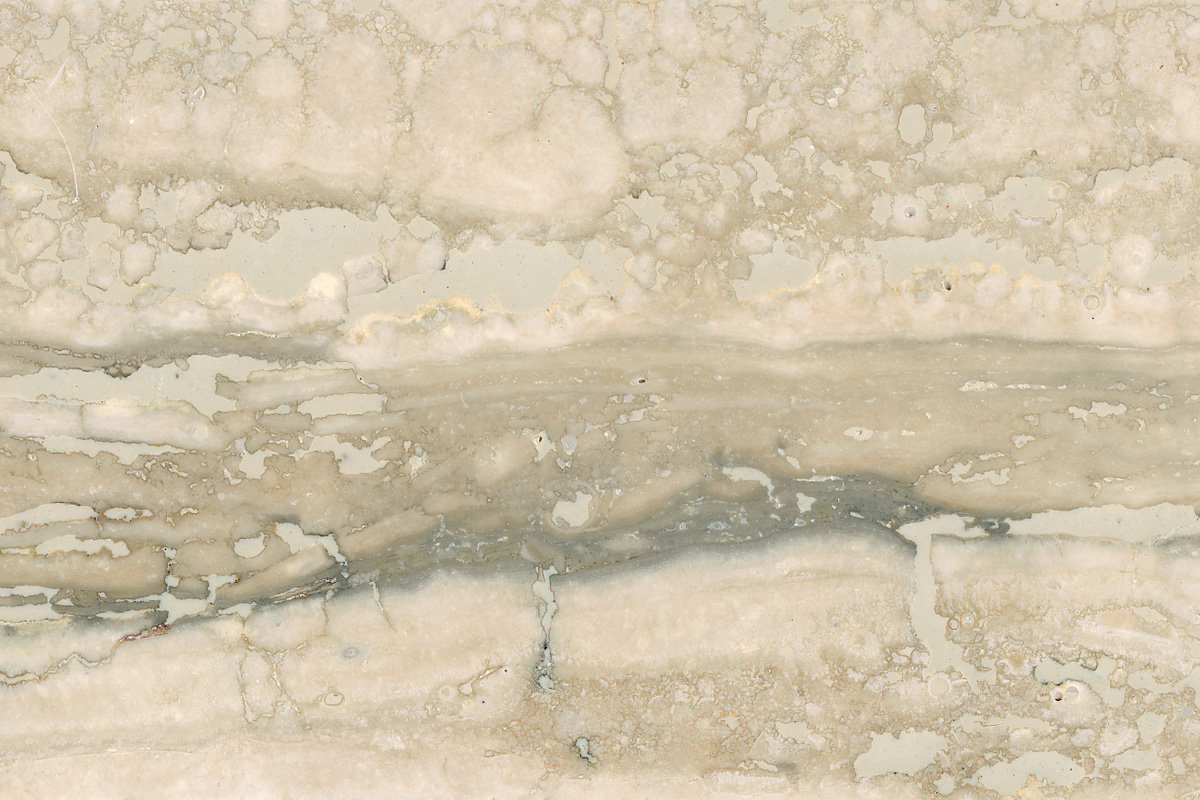
Travertine is one of those natural materials that has retained its place in architecture for decades. Its porous structure, subtle colour transitions and distinctive pattern look natural even in contemporary buildings. The stone can create a warm atmosphere in a private interior, a representative appearance in an entrance hall or an elegant façade surface. With the right selection and processing, travertine has a character that adapts well to changing design trends.
Different grades and formats of the material are available on the market. Working with travertine therefore begins with selecting a specific type according to its intended use, desired appearance and maintenance requirements. Surface treatment also plays an important role. Honed, polished, brushed or naturally textured finishes can create completely different visual effects even when the same stone is used.
Why Natural Travertine Remains Popular in Architecture
Travertine forms through the deposition of minerals and develops its characteristic porous structure during the formation process. These natural irregularities give every piece an individual appearance. Natural shades range from light ivory and cream through beige to more pronounced brownish tones. This colour range allows the stone to be combined with wood, metal, glass and traditional plaster.
For projects in Slovakia, natural travertine is selected according to both technical parameters and the intended aesthetic effect. More durable varieties and suitable surface treatments are used in areas exposed to greater loads. In living spaces, the pattern and colour consistency may be the main priorities. The final appearance also depends on the installation method, joint width and orientation of individual slabs.
Travertine Slabs and Processing Options
Large-format travertine slabs make it possible to create continuous surfaces with fewer joints. Such a solution works particularly well on walls, kitchen elements, bathroom surfaces and representative architectural features. Smaller formats provide greater flexibility in irregular spaces and make it easier to adapt the material to a particular layout.
With custom production, dimensions and processing can be adapted to the project. Custom travertine solutions may include precise cutting, edge finishing, openings or elements manufactured according to technical drawings. This approach is suitable for unusual walls, staircases, furniture and architectural details where standard formats may not deliver the required result.
Travertine Cladding and Flooring
Travertine cladding creates a distinctive yet natural texture on the wall. In an interior, it can cover an entire surface or only a selected section that requires visual emphasis. For façades, the durability of the material, suitable anchoring and protection against weather conditions are considered first.
Travertine flooring has a distinctive character and can create a highly harmonious appearance when properly finished. The material is suitable for entrance areas, hallways, living rooms and bathrooms. Selection takes into account the intensity of use, slip resistance and the required maintenance method. In areas exposed to moisture, choosing a surface with good grip is particularly important.
Travertine floors can be visually connected with wall surfaces or used as an independent design element. For larger areas, it is worth planning the installation direction and arrangement of individual pieces in advance. The stone pattern can then appear organised while retaining its natural irregularity.
Travertine for Interiors and Exteriors
Travertine can be used in residential spaces as well as for exterior architectural elements. Indoors, the material is suitable for walls, floors, staircases, bathroom cladding and other surfaces. A travertine bathroom can create a calm and timeless atmosphere, particularly when light stone is combined with wood or simple sanitary fixtures.
Travertine staircases require precise edge finishing and an appropriate slip-resistant treatment. The design should account for everyday loads and the intended cleaning method. The surface finish should therefore be selected according to practical requirements rather than appearance alone.
For exterior applications, travertine can be used for façade cladding, terraces, steps or entrance areas. Water absorption, frost resistance, element thickness and installation method must be considered. A properly designed system helps extend the service life of the surface and maintain its appearance despite regular exposure to rain and temperature changes.
Travertine for Architects and Designers
Architectural travertine offers extensive possibilities for both expressive and minimalist designs. Architects use it for façades, entrance areas, wall cladding and representative interiors. Designers particularly appreciate its natural pattern, which can visually connect different materials within a project.
When planning a project, it is important to assess a sample under conditions similar to those of the final installation. Artificial lighting can significantly change the perception of colour and texture. Daylight, on the other hand, can emphasise the relief of the surface. Selection should therefore consider not only a small sample but also the expected size and orientation of the complete surface.
For architects and designers, the availability of a specific format, shade and quantity may also be important. For larger projects, travertine is selected with consideration for delivery consistency, the possibility of ordering additional material later and the required processing method.
From Stone Selection to Installation
Professional material selection involves assessing several properties at the same time. The most important include:
- shade, pattern and surface texture;
- dimensions, thickness and weight of individual elements;
- water absorption and suitability for the intended environment;
- required type of surface finish;
- installation method and subsequent maintenance.
When calculating the cost, the type of material, format, quantity, processing and complexity of installation are taken into account. The travertine price may therefore differ between two projects with a similar surface area. The selected grade, number of custom cuts and requirements for specialised processing can have a significant impact on the final cost.
Travertine in Bratislava and Other Slovak Projects
Travertine is increasingly used in Bratislava for both interiors and modern family homes. Light shades work particularly well in minimalist architecture, while a more pronounced pattern can create a strong focal point in a representative room.
A travertine supplier in Slovakia should be able to provide material suitable for the intended application and offer professional advice on its processing. When clients want to buy travertine in Slovakia, it is worth considering the entire process, from selecting the slabs through processing and preparation for installation. Such an approach reduces the risk of differences between the expected and final appearance.
Travertine remains attractive even as interior design trends change. Its natural pattern is not tied to a particular era and can work equally well in classical and contemporary spaces. Premium travertine in Slovakia allows elegant solutions to be created for demanding projects, while luxury travertine can become a striking feature even within a relatively simple architectural concept.
PREMIUM STONES provides travertine selection and supply for interior and exterior projects, with a focus on material quality, appropriate application and precise processing. Each project is considered according to the character of the building, technical requirements and desired visual result. This approach allows travertine to become a natural part of the overall design while retaining its value and appearance for years to come.