Kontakte

Address

81107, Bratislava, 16, Miskiewiczowa St.

Email

premium.stones.sk@gmail.com

Category: Interior

14.08.2026 by admin 0 Comments

Installation of Stone Cladding: What to Pay Attention To

When installing stone cladding, the quality of the substrate, the correct choice of material and strict adherence to the installation technology are crucial. The finished surface must safely withstand the conditions to which it will be exposed while fitting naturally into the architecture of the building. Before starting the work, we therefore assess the condition of the wall, its flatness, absorbency, strength and the expected load.

Choosing the Material for a Specific Surface

Stone cladding can differ in thickness, weight, texture and water absorption. In interiors, the choice is often based on appearance, maintenance requirements and the overall style of the room. Marble cladding gives a space a distinctive pattern and elegant character. Granite cladding is valued for its hardness and resistance to mechanical stress. Travertine cladding has a natural appearance and combines well with wood, plaster and metal.

Natural stone cladding should be selected according to the location where it will be installed. Material intended for an exterior wall must withstand rain, frost, sunlight and temperature changes. In interiors, maintenance, contact with water and the overall visual effect are more important. The choice of material should therefore be based on the specific building rather than only on a photograph or sample.

What to Check Before Façade Installation

Stone cladding for a façade requires a strong and cohesive substrate. Old peeling layers, cracks, dust or unsuitable coatings can reduce adhesion. Before bonding, the surface is cleaned, levelled where necessary and prepared with an appropriate primer. For heavier elements, the need for mechanical anchoring is also assessed.

Stone house cladding must be designed with the entire wall structure in mind. The installation process includes corners, window sills, reveals, the plinth, upper terminations and connections with other materials. The price of stone cladding for a house therefore depends on several technical factors rather than on the surface area alone.

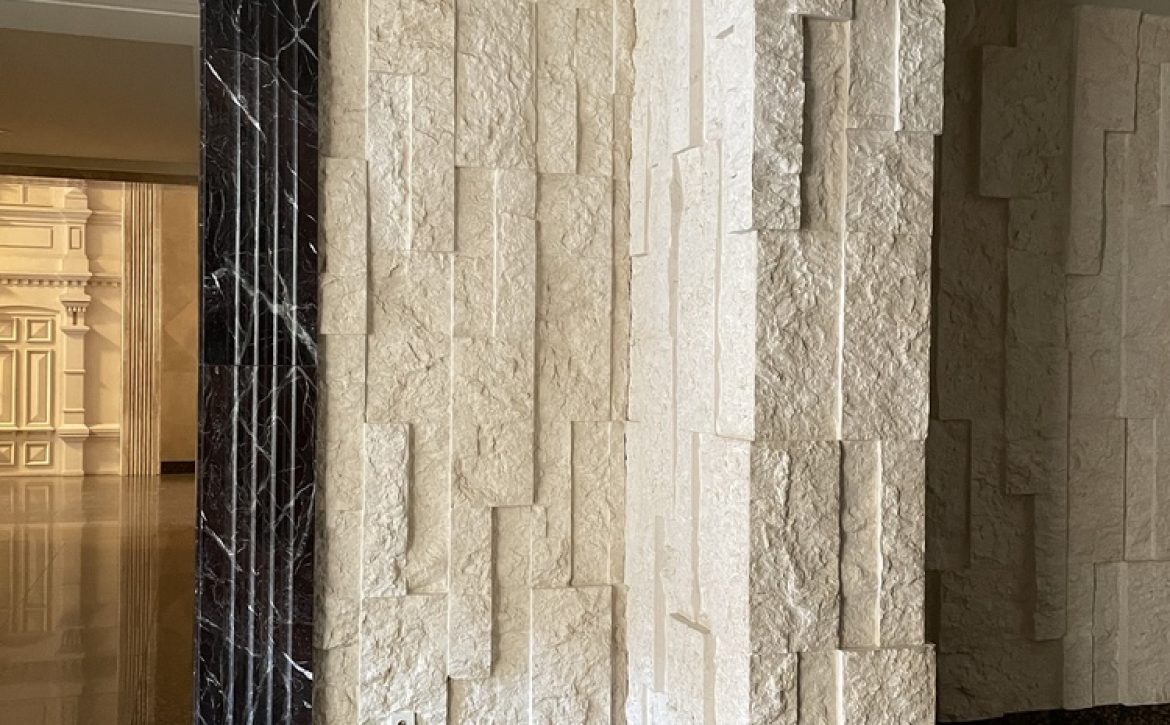
For interior projects, stone cladding can create a feature wall or a subtle architectural detail. Modern interior stone cladding often uses larger formats, more precise joints and a simpler pattern. In a living room, a stone wall can highlight the television wall, the area behind the sofa or another architectural element.

Heat-Exposed Surfaces Require Special Attention

Stone cladding around a fireplace must be selected with temperature changes in mind. The design must follow the instructions provided by the heating appliance manufacturer, the recommendations for the adhesive and the required clearances. Expansion joints are also important so that the movement of materials during heating and cooling does not cause cracks.

Before installation, we primarily check:

  • the strength and flatness of the substrate,
  • the absorbency and cleanliness of the surface,
  • the weight and format of individual elements,
  • the anchoring method and required curing times,
  • the connection of the cladding with surrounding structures.

Installation Technology Affects Durability

Stone cladding in Bratislava can cover a small area near an entrance or a large part of a house. Each project begins with a layout plan. This approach helps distribute colour and texture differences between individual pieces and prevents visually unsuitable concentrations of similar elements.

A stone façade requires precise positioning, consistent joints and properly executed connections. Mechanical securing is particularly important on larger surfaces. Stone façade installation includes continuous checks of the surface plane, element positioning and the quality of the connection with the substrate. After installation, the surface is cleaned and, depending on the type of stone, may be treated with a suitable protective coating.

The price of a stone façade is determined by the material, surface area, building height, wall complexity, number of openings, amount of cutting and fastening method. The price of stone cladding can therefore vary considerably between two projects with the same surface area if their technical conditions differ.

The Façade Should Respect the Architecture of the House

A stone façade in Bratislava can have either a modern or traditional character. When designing the overall appearance, the colour of the roof, windows, doors and other surfaces should be taken into account. Stone house cladding in Bratislava can highlight an entrance, plinth or selected part of the façade without covering the entire building.

Stone façades in Slovakia are made from materials with different properties, so one installation method cannot automatically be applied to every type of stone. Natural stone façades in Slovakia must be adapted to the climatic conditions and construction of the particular building.

Marble façades in Slovakia have a prestigious appearance and work particularly well on architecturally distinctive buildings. Granite façades in Slovakia provide high durability and a pronounced texture. Luxury stone façades can be designed with restraint so that the material remains the main visual feature. Modern stone façades often combine stone with smooth plaster, wood or metal elements.

What Professional Assessment Includes

During an inspection, we assess the condition of the substrate, accessibility of the work area, building height and façade complexity. The transport and handling of heavier elements are also taken into account. Such an assessment makes it possible to determine the installation procedure more accurately and prepare a realistic estimate without unnecessary assumptions.

When planning stone façades in Bratislava, the visual result is considered alongside the technical requirements. Premium stone façades stand out when corners, joints and transitions between individual surfaces are executed precisely. Stone façade cladding in Slovakia must also take frost resistance, water absorption and protection against moisture penetration into account.

Details Determine the Final Appearance

Maintenance should also be considered during the design stage. Some types of stone require regular impregnation, while others naturally change their shade and develop a patina over time. Stone façade cladding should be selected so that its properties correspond to the conditions of the particular building.

Natural stone for façades can create a durable and distinctive surface when installed correctly. However, stone façade cladding must have properly designed connections and protection for exposed areas. Every project therefore requires attention not only to the installation itself but also to the details that determine stability and appearance after completion.

PREMIUM STONES provides professional stone cladding installation with a focus on substrate preparation, the correct choice of technology and precise finishing of details. Each building is assessed according to its construction and intended use. This approach makes it possible to combine the natural beauty of stone with a technically reliable result.
16.07.2026 by admin 0 Comments

Stained Glass as Part of an Exclusive Interior

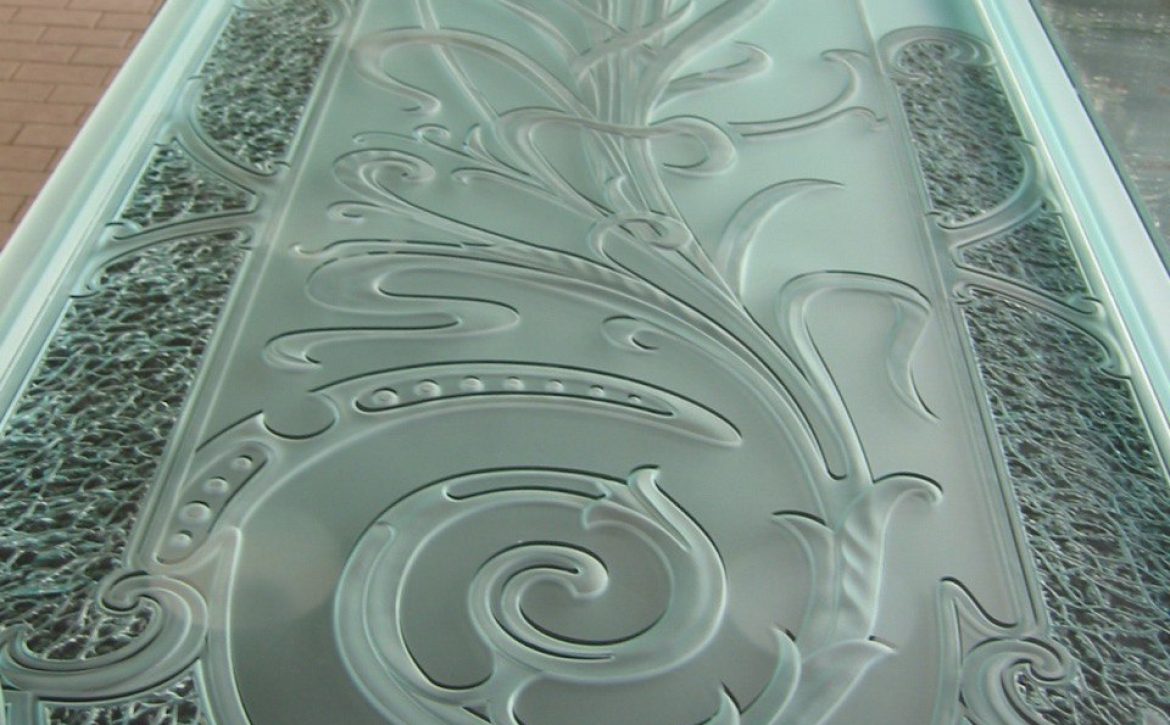
An interior can look complete even without prominent decorative elements. Sometimes, however, a single distinctive feature determines its entire character. Stained glass can work with light, colour and space at the same time. Throughout the day, its appearance changes depending on the intensity of sunlight, the direction of the light and the surrounding environment. In the morning, it may appear delicate and airy, while in the evening it can create a deeper and more intimate atmosphere.

Such variability gives the interior a living element that does not feel like an ordinary decoration. Every detail has its place, and the final image is created through a combination of craftsmanship, artistic design and precise technical execution. The process therefore begins long before the glass is actually placed into its frame.

Why Stained Glass Attracts Attention Even in a Modern Interior

In the past, stained glass was mainly associated with historic architecture, sacred buildings or representative structures. Contemporary interior design offers much broader possibilities. A properly designed motif can complement a minimalist apartment, an elegant residence, a hotel lobby or a private study.

The final impression depends on proportions, colour palette and the way light is used. A bold coloured motif can create a dominant focal point in the room. A more delicate composition can separate individual zones without the use of a solid partition. This creates visual division while preserving the openness of the interior.

Modern stained glass often uses geometric lines, abstract forms and a limited colour palette. The result can appear highly contemporary, even though the technique is rooted in a long-standing craft tradition. The contrast between an age-old material and a modern design creates a particularly interesting atmosphere.

From the Initial Idea to the Finished Composition

Every project begins with an understanding of the space. Dimensions, window orientation, the amount of natural light and the overall interior style all play an important role. A large entrance hall requires a different approach from a smaller window in a private residence.

Stained glass design is created with the specific location in mind. The concept may be inspired by architectural lines, natural motifs, historical references or a completely abstract composition. The viewing distance also matters. A motif designed to be viewed from several metres away may require a different scale of detail from a decorative element intended for close observation.

The relationship between the glass, the frame and the surrounding environment is also considered during the design process. The stained glass should feel like a natural part of the space. If it is intended to be the focal point, the remaining elements can remain more restrained. In a more decorative interior, the design can instead be coordinated with furniture, textiles or architectural details.

Materials and Light Create the Final Character

Glass is not simply a coloured surface. Its texture, transparency and ability to capture light influence the overall impression. Some types appear rich and intense, while others create delicate transitions. Combining different surface finishes can create contrast between smooth and textured areas.

When colours are selected, both natural and artificial lighting are taken into account. A composition facing south may appear more vivid during the day than the same design in a space with less sunlight. Colour selection is therefore not only a matter of personal taste. It is important to consider how the material will function in the conditions where it will remain for many years.

Artistic stained glass can contain numerous small details, but simple compositions with a few carefully considered lines can be equally impressive. The value of a design does not depend on the number of elements. Their proportions and ability to create a harmonious whole are more important.

Stained Glass Windows as an Architectural Element

When used in a window, stained glass also gains a practical function. It changes the character of incoming light and creates a distinctive atmosphere in the room. Depending on the design, it can enhance privacy or visually separate the interior from its surroundings.

Stained glass windows are used in residential interiors, representative entrances, historic buildings and new architectural projects. Their design requires consideration of the opening dimensions, the method of fixing and the technical conditions of installation.

A well-designed composition can complement the architecture without competing with it. In a historic building, the proportions and character of the structure are respected. In a modern home, a striking contrast can instead emerge between clean architecture and coloured light.

From Decoration to a Dominant Interior Feature

Decorative stained glass does not have to be large to create a strong effect. A smaller panel in a door, partition or furniture element can change the overall perception of a room. In larger projects, stained glass can cover a substantial surface and become one of the main architectural features.

Luxury stained glass is often created for interiors where individuality and attention to detail are important. The finished element is adapted to the specific space rather than produced according to a universal template. Every design can have its own colour concept, rhythm and scale.

Large surfaces require particular attention to the composition of individual sections. Connections must be technically reliable while also fitting visually into the overall design. The finished result should appear as one harmonious image.

Stained Glass in Historic and Sacred Spaces

Stained glass for churches and other historically significant buildings represents a special category of projects. Such commissions often require respect for the original architecture, existing motifs and specific technical conditions.

When an older stained glass piece is being restored, the condition of each individual part must first be assessed. Some elements can be preserved, while others require professional restoration or the creation of a replacement. Every intervention should respect the value of the original work and its role within the architecture.

For a new design intended for a historic building, the overall character of the structure can serve as a starting point. A modern composition does not have to copy older patterns, but it should communicate with the space and respect its scale.

Precise Installation Protects the Design Result

Manufacturing represents only one part of the entire process. Stained glass installation requires a properly prepared opening, a suitable fixing method and precise positioning. With larger or heavier compositions, the load-bearing capacity of the structure and the distribution of weight must also be assessed.

During installation, the position of individual sections, stability and connections to surrounding structures are checked. Even high-quality stained glass can lose part of its visual impact if it is installed inaccurately. The technical side therefore contributes to the final quality just as much as the artistic design itself.

Premium stained glass is created through a combination of high-quality materials, experience and careful work at every stage of the project. From the initial consultation to the final installation, maintaining a consistent vision of the result is essential.

What Influences the Price of Stained Glass?

The price of stained glass depends on several factors. The size of the composition, complexity of the design, number of details, type of glass and level of processing all have an impact. For larger projects, the structural solution and installation method also influence the final calculation.

The difference between a simple decorative panel and a large-scale artistic work can be significant. Every project should therefore be assessed individually. When preparing a design, it is important to define not only the desired appearance but also the dimensions, technical conditions and intended use.

Stained glass projects in Slovakia cover a wide range of applications, from private interiors to representative and historic buildings. Projects in the capital often involve demanding architectural requirements where precise coordination of every stage is essential.

Individual Design Creates a Distinctive Character

Exclusive stained glass can give an interior a strong personality without the need for numerous additional decorations. Colour, light and pattern naturally change throughout the day, keeping the space visually alive.

Stained glass in Bratislava is created for many types of interiors, from modern residences to representative commercial spaces. Every commission requires an individual approach to design, materials and technical solutions.

PREMIUM STONES provides the design, production and installation of stained glass according to the architecture of the specific space and the client’s vision. The work combines artistic concept with careful attention to materials, detail and installation precision. The finished stained glass can remain a distinctive feature of the interior for many years while preserving a unique character that cannot be achieved through mass production.

16.07.2026 by admin 0 Comments

Natural Stone in the Bathroom: Practical and Aesthetic Solutions

The bathroom is one of the spaces where practical requirements meet high aesthetic expectations. Humidity, temperature changes, everyday use and the need for simple maintenance all influence the choice of materials. Natural stone brings strength, natural veining and an atmosphere that is difficult to reproduce with mass-produced surfaces.

With thoughtful planning, stone can be used on walls, floors, shower areas, around the bathtub or for a vanity top. The finished interior does not have to feel cold or overly formal. The right colour, format and surface finish can create a warm and calm bathroom that remains visually relevant for many years.

Material Selection Influences Both Appearance and Everyday Maintenance

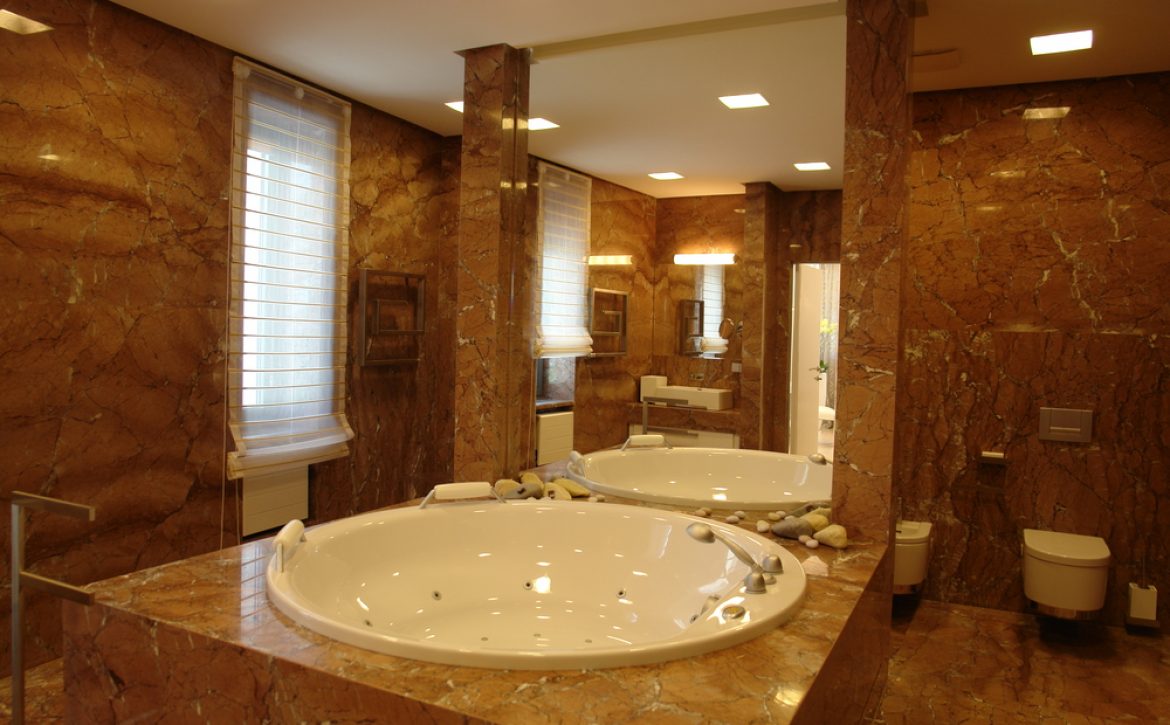
Every type of natural stone has its own character. A marble bathroom can appear light and elegant thanks to delicate veining or create a stronger visual impression when a material with contrasting patterns is selected. Marble is often used for walls, vanity tops and other surfaces where its natural structure can stand out.

A granite bathroom creates a different type of visual impression. Granite is known for its strength and distinctive structure, while individual varieties differ in colour, grain and overall character. The right selection can create a very calm interior or a striking contrast with light walls and minimalist fittings.

Material selection also takes into account how the stone will be used. A surface intended for a shower area has different requirements from a decorative wall that is not exposed to direct water. Technical properties, correct fabrication and suitable surface protection all remain important.

Stone Cladding Can Unite the Entire Interior

Bathroom stone cladding can cover one dominant wall or create a unified foundation for the entire space. Large-format slabs reduce the number of visible joints and make it possible to work with the natural pattern of the material. With careful planning, the veining can continue smoothly across several surfaces.

The choice is not based on colour alone. The direction of the pattern, the format of individual pieces, the way they connect and their relationship with other elements also matter. Stone with a strong structure can become the focal point of the space, while a calmer material allows wood, metal or colourful accessories to play a more prominent role.

Natural stone for a bathroom should be selected according to the specific conditions of the project. The size of the room, intensity of use, direct contact with water and maintenance requirements all need to be considered. Such an approach helps combine aesthetics with a practical solution.

A Modern Bathroom Can Work with Contrast and Natural Materials

A modern stone bathroom does not have to be based on a single material from floor to ceiling. An interesting result often comes from combining stone surfaces with wood, glass, metal elements and simple sanitary fixtures. The natural pattern then has enough space to stand out without visually overwhelming the interior.

In a smaller bathroom, light-coloured stone can make the space appear larger. Darker shades create a more intimate atmosphere, particularly when combined with carefully planned lighting. Large formats create calm surfaces with fewer distracting joints, supporting a clean architectural appearance.

Lighting plays a very important role. The same stone can look completely different in daylight and under warm artificial light. When planning the interior, it is therefore worth assessing the material in the context of the entire space rather than relying only on a small sample.

Vanity Tops and Stone Sinks as Distinctive Features

One of the most common ways to use stone in the bathroom is to create a vanity top. A stone bathroom countertop can be designed for one or two sinks and adapted to the specific space. The fabrication process takes into account cut-outs, thickness, edge finishing and the method of installation.

A stone sink represents an even more distinctive solution. It can be made from the same material as the countertop or create a contrasting element. Its design takes into account the shape, depth of the basin, drainage and cleaning requirements. Precision is particularly important because every detail remains visible in the interior.

With the right design, the countertop and sink can appear as one compact element. Such a solution works well in minimalist interiors as well as bathrooms with a more decorative concept.

A Custom Bathroom Respects the Specific Space

Every space has its own dimensions, proportions and technical limitations. A custom bathroom makes it possible to adapt stone elements to the actual layout instead of forcing the design to follow standard dimensions of ready-made products.

The planning process takes into account the position of doors, window height, utility connections and the proportions of individual surfaces. The dimensions of the slabs, cut-outs and connection methods are then determined. In larger areas, planning the direction of the natural pattern also matters, helping the final result appear balanced and natural.

This approach creates luxury stone bathrooms in which every element fits into the overall concept. Value comes not only from the material itself. Precision of detail, quality of fabrication and the ability to combine technical solutions with interior architecture are equally important.

Technical Details Determine Long-Term Satisfaction

Bathroom environments place specific demands on materials. Regular contact with water, humidity and cleaning products requires appropriate surface preparation. Stone protection should be selected according to its properties and intended use.

Installation is equally important. Stone bathroom installation involves the precise positioning of individual elements, properly designed joints and connections to other structures. Cut-outs for taps, drains and other components require a high level of accuracy.

Professional fabrication also takes future maintenance into account. Surfaces should remain accessible for cleaning, and individual elements should be designed so that water does not unnecessarily collect in problematic areas.

How Much Does a Natural Stone Bathroom Cost?

The price of a stone bathroom depends on several factors. The final value is influenced by the type of material, total surface area, slab thickness, number of cut-outs and the complexity of fabrication and installation. With natural stone, the specific pattern and availability of the selected material also play a role.

When making a decision, it is worth considering the entire project rather than only the price per square metre. A more complex design may require precise measurements, special edge finishing or more demanding installation. The final quality depends on all these stages.

Natural stone bathrooms in Slovakia cover a wide range of solutions for private residences, apartments and representative commercial spaces. Each project is assessed according to its specific architecture and the desired result.

Material and Fabrication Must Work as One Whole

A premium stone bathroom is created when the material selection supports the overall interior concept. Expressive marble needs enough space for its veining to stand out. A more subtle stone can create a calm foundation for distinctive lighting or furniture.

Projects in the capital often include modern apartments, new-build properties and private residences with unusual layouts. Stone bathrooms in Bratislava therefore require not only high-quality material but also precise planning, coordination and reliable execution.

PREMIUM STONES provides the selection, fabrication and installation of natural stone for bathroom interiors according to the requirements of each project. The design process takes into account the appearance of the material, technical requirements and the way the space will be used every day. The result can be a bathroom that feels natural, has a clear architectural character and remains comfortable for everyday use.

16.07.2026 by admin 0 Comments

How to Maintain Natural Stone in the Kitchen

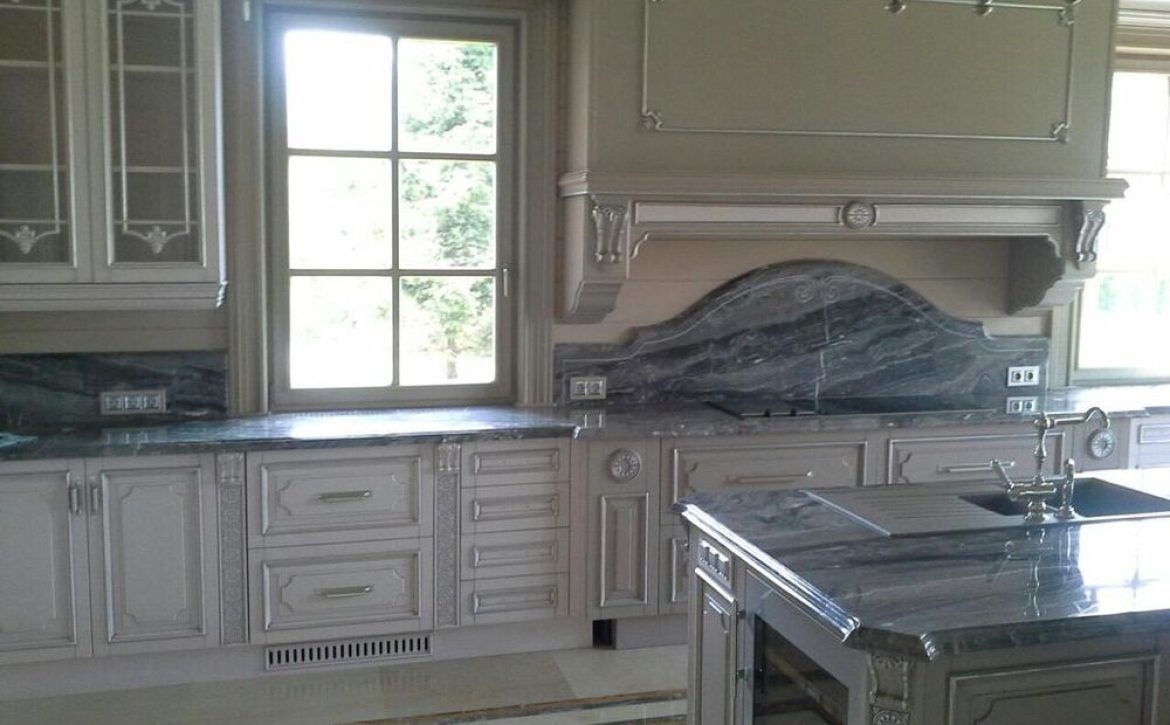
The kitchen worktop is one of the most heavily used elements in any home. Every day, it comes into contact with water, food, hot cookware, sharp objects and cleaning products. With the right material and proper care, however, it can remain attractive and functional for many years.

Natural stone brings distinctive veining, a natural texture and a sense of durability to the kitchen. Every worktop has its own character. Differences in veining, colour transitions and subtle details create a surface that does not feel mass-produced. At the same time, such material requires a certain level of care because different types of stone have different properties and maintenance requirements.

Every Type of Stone Requires Slightly Different Care

When choosing a material, it is important to understand its structure and durability. A marble worktop can stand out with its expressive veining and elegant appearance, but it requires a more careful approach in everyday use. Acidic foods such as citrus fruits or vinegar can affect the surface of certain types of marble if they remain on it for an extended period.

A granite worktop is one of the solutions known for its high mechanical resistance. Granite handles the everyday demands of a kitchen well and, with proper protection, can preserve its structure and appearance for many years. For regular cleaning, a soft cloth and a product suitable for the specific type of natural stone are usually sufficient.

A quartz worktop has different properties depending on the specific material and its composition. Maintenance should always follow the recommendations for the particular surface. Universal aggressive cleaning products may not be suitable even for materials that appear highly resistant.

Daily Cleaning Determines the Appearance of the Surface

The simplest way to keep a stone worktop in good condition is to remove dirt regularly. Spilled liquids should not be left on the surface for hours. Coffee, wine, oil and strongly coloured foods can leave stains on more porous materials, especially when the surface does not have sufficient protection.

For everyday maintenance, use a soft cloth or a sponge without an abrasive layer. The surface can then be wiped with clean water and dried. Regular care reduces the risk of grease build-up and the formation of a film that can gradually diminish the natural appearance of the stone.

A few simple habits are worth following during everyday use:

  • remove spilled liquids as soon as possible;
  • use a separate cutting board for food preparation;
  • place hot cookware on a suitable protective mat or trivet;
  • avoid cleaning products containing abrasive particles.

Protective Impregnation Helps Preserve the Natural Appearance

Some types of natural stone have a naturally more open structure. Protective impregnation reduces the penetration of liquids and makes everyday maintenance easier. It does not create an unnatural layer on the surface but provides additional protection according to the properties of the particular material.

The frequency of reapplying impregnation depends on the type of stone, the intensity of use and the specific product. A kitchen used for cooking every day has different requirements from a guest kitchen that is used less frequently. For this reason, maintenance recommendations should be determined according to the specific worktop.

When selecting the material, it is worth considering maintenance before fabrication begins. A stone kitchen worktop should correspond not only to the design of the kitchen but also to the way it will be used. A family that cooks every day and prepares large quantities of food will have different requirements from a client for whom the kitchen primarily serves as a representative part of the interior.

Proper Use Extends the Life of the Worktop

Even highly durable stone has its limits. Cutting directly on the surface can leave small marks. Placing a hot pot on a sensitive surface can cause thermal shock. Heavy objects dropped from a height may damage edges or weakened areas around cut-outs.

Particular attention should be paid to the areas around the sink and hob. These zones are regularly exposed to water, steam and increased temperatures. High-quality fabrication and professional installation help ensure the correct fitting of individual elements and reduce the risk of problems during everyday use.

Custom Fabrication Begins with the Right Material Selection

A stone worktop is manufactured according to the specific layout of the kitchen. Dimensions, cut-outs, thickness, edge finishing and installation method are planned before fabrication begins. In more complex projects, the continuity of individual sections and the direction of the natural veining are also considered.

A custom worktop makes it possible to adapt the solution to a specific space. An unusual wall, an atypical floor plan or a large kitchen island does not necessarily represent a limitation. Accurate measurements and coordination between design, fabrication and installation remain essential.

Custom stone worktops are suitable for projects where precise adaptation to every detail is expected. During the selection process, not only the appearance of the worktop is assessed, but also the position of joints, the edge profile and the way the surface will be used every day.

The Difference Between Everyday Maintenance and Professional Care

Regular cleaning can be handled by the household. In the case of deep stains, loss of surface protection or visible changes in appearance, professional assessment may be appropriate. Incorrectly selected chemical products can make the problem worse and, in some cases, cause permanent damage.

When choosing a material, it is therefore worth considering the entire life cycle of the kitchen. Natural stone for a worktop can serve for decades when selected correctly and maintained regularly. Its appearance may naturally change over time, but high-quality material and professional fabrication provide a strong foundation for long-term use.

Luxury stone worktops require the same attention as other high-quality interior elements. Stone does not require a complicated daily routine, but it does need suitable cleaning products and respect for its specific properties. Such an approach helps preserve the veining, surface and overall impression of the kitchen.

Installation Affects Both Appearance and Practical Use

Stone worktop installation involves more than simply placing the material on top of the kitchen cabinets. Correct levelling, secure positioning, precise connections at the walls and high-quality cut-outs are all important. Every detail can affect everyday comfort and the long-term stability of the construction.

In projects where a high level of workmanship is required, premium stone worktops are created through a combination of high-quality material, precise fabrication and an experienced installation team. The result is not only visually impressive. Everyday use is comfortable, and the individual elements of the kitchen connect naturally with one another.

What Influences the Price and Overall Value of the Solution

The price of a stone worktop depends on the type of material, dimensions, thickness, number of cut-outs, edge finishing and installation complexity. With natural stone, the specific veining and availability of the chosen material also play a role. Two worktops with a similar colour may have different values depending on the quality and character of the stone.

Stone worktops in Slovakia cover a wide range of projects, from smaller apartment kitchens to large residential developments. In every case, it is worth considering not only the initial investment but also the service life, appearance and maintenance requirements.

Stone worktops in Bratislava are often installed in modern new-build properties, renovated apartments and large family homes. For urban projects, coordination of schedules, precise measurement and logistics are often particularly important. The finished worktop must fit exactly into the prepared space.

PREMIUM STONES provides the selection, fabrication and installation of stone worktops according to the specific requirements of each project. The design process takes into account the type of stone, the intended use, the architecture of the kitchen and the client’s expectations regarding maintenance. A well-chosen worktop can then remain a natural and functional part of the kitchen for many years.

16.07.2026 by admin 0 Comments

Onyx in Interior Design: Why Luxury Projects Choose It

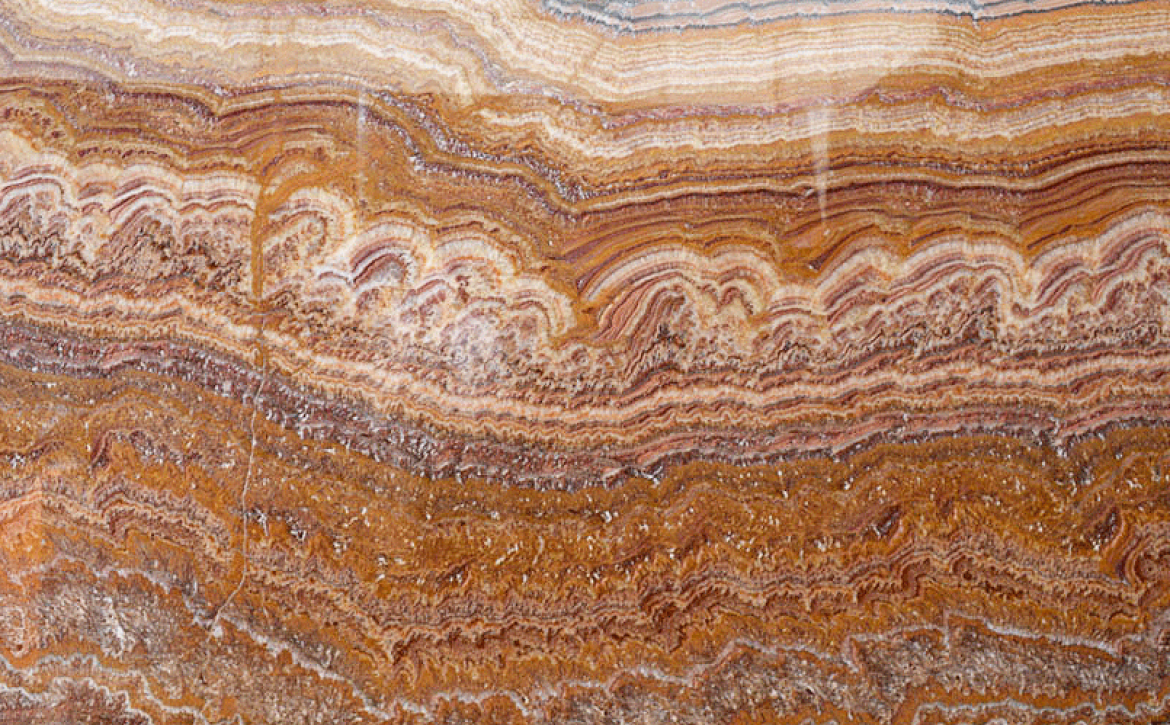
Some materials in an interior serve a practical purpose. Others can transform the atmosphere of an entire room. Onyx belongs to the second group. Its patterns, colour transitions and ability to transmit light create a surface that does not feel like ordinary decoration. Every slab has its own character, and with the right design, it can become the main visual feature of a space.

Luxury projects require materials with a distinctive identity. With onyx, the choice is not limited to selecting a colour from a sample chart. The specific pattern, direction of the veining, translucency, thickness and lighting method all matter. The final effect emerges from combining the natural structure of the stone with architectural design and precise fabrication.

What Makes Onyx Different from Other Natural Stones

The greatest advantage of onyx lies in its visual depth. In ordinary daylight, it can appear calm and elegant. When illuminated from behind, its layers, colour transitions and natural lines become more pronounced, revealing details that remain hidden in opaque materials. Translucent onyx therefore gives architects another way to work with light.

When selecting the material, it is important to consider not only the shade but also the structure of the individual slab. Natural stone onyx can vary significantly from one piece to another. This natural variation creates a unique result. Two surfaces made from the same type of stone do not necessarily look identical, giving the interior individuality and depth.

The following aspects are usually considered during the design process:

  • the intensity and direction of the natural veining;
  • the degree of translucency and how the stone behaves when backlit;
  • colour harmony with the flooring, furniture and metal elements;
  • the format, thickness and type of surface finish.

Onyx as a Distinctive Element of a Luxury Interior

In a well-designed space, stone does not need to cover a large area. Sometimes a single wall, bar counter or entrance feature is enough. Onyx for interiors makes it possible to create a strong visual accent without making the space feel overloaded with decoration. Depending on the chosen shade and lighting, the material can function as a calm background or as a dominant feature.

Onyx interiors are used in private residences, hotel suites, restaurants, wellness spaces and representative offices. Each project involves a different scale and a different lighting concept. In a smaller room, a light-coloured slab can visually brighten the space. In a large hall, darker onyx can create a striking contrast with minimalist furnishings.

Onyx wall cladding can cover an entire surface or only a selected part of the interior. Large-format onyx slabs make it possible to work with the natural pattern of the stone without unnecessary divisions. With the right arrangement of the slabs, the veining can continue across a larger surface and create a visually cohesive composition.

Backlighting Changes the Way Natural Stone Is Perceived

One of the greatest advantages of onyx is its ability to work with light. A backlit surface can appear soft and almost ethereal or bold and dramatic. The result depends on the natural translucency of the material, the intensity of the light source and the way the lighting is positioned. For this reason, the technical part of the solution should be planned together with the selection of the stone itself.

Architectural onyx offers extensive possibilities for creating reception walls, bar counters, decorative partitions and other interior elements. With the right lighting, even a relatively small surface can attract more attention than a large decorative wall made from an ordinary material.

An interior featuring onyx also requires balance. If a strong pattern, intense lighting and a large number of additional decorative elements are combined, the result may feel visually overloaded. The most successful projects work with contrast. The stone is given enough space for its natural structure to stand out.

Practical Applications from Kitchens to Bathrooms

Although onyx is often associated with decorative walls, its applications are much broader. Onyx countertops can create an elegant work surface in a kitchen, bar or representative reception area. The specific load, intended use and suitable surface treatment must be assessed when selecting the material.

In bathrooms, stone can be used on walls, vanity tops and details around mirrors. Onyx bathroom solutions can combine warm stone tones with minimalist sanitary fixtures. In wet areas, proper technical processing, surface protection and regular maintenance according to the properties of the specific material are essential.

Onyx flooring can become an impressive part of representative interiors, although flooring applications require particular attention to mechanical loads and the suitability of the specific type of stone. In smaller zones, a stone floor can create a distinctive detail that naturally connects different parts of the interior.

One Material Can Connect Interior and Exterior

Modern architecture increasingly blurs the boundary between indoor and outdoor spaces. Large glazed surfaces, terraces and open-plan layouts create a need for material continuity. Onyx for interior and exterior can form part of a comprehensive concept in which a similar visual motif appears in different areas of a building.

For outdoor applications, the specific climatic and technical conditions must always be assessed. Not every type of onyx is suitable for every exposed surface. Professional material selection must take humidity, temperature changes, sunlight and the installation method into account. Interiors generally allow greater freedom, although the right technical solution remains essential here as well.

Why Architects and Designers Choose Onyx

In demanding projects, material selection often forms part of the overall identity of the space. Onyx for architects offers the opportunity to work with a natural pattern that cannot be perfectly reproduced through mass production. Each slab brings a different combination of colours and lines, allowing the architect to create an original composition.

Onyx for designers is also interesting because of its ability to combine with other materials. It works well with metal, wood, glass and monochromatic surfaces. Warm stone tones can soften a strict minimalist interior, while a bold pattern can create contrast in a space with simple furniture.

Custom onyx is often used for individual projects. The selection of slabs, their arrangement, processing and final installation method are adapted to the specific design. This type of solution is particularly suitable when the stone element is intended to form part of the overall composition rather than appear as an additional decorative feature.

Material Selection Determines the Final Impression

When working with onyx, it is worth selecting the specific material in person or based on a detailed visualisation of the entire slab. A small sample may not show all colour transitions and the full character of the pattern. For large surfaces, planning therefore involves not only the format but also the exact positioning of individual sections.

Decorative onyx can be suitable for smaller design elements, while premium projects often require large-format solutions with an emphasis on pattern continuity. The method of edge finishing, the location of joints and the final level of illumination must also be taken into account.

There is no single universal answer to the question of onyx price. The cost depends on the type of stone, its rarity, dimensions, pattern quality, translucency and processing requirements. The final value of the project is also influenced by cutting precision, substrate preparation, installation and possible backlighting. In luxury projects, it is important to evaluate the complete result rather than the price of the slab alone.

Professional Solutions for Projects in Slovakia

Selecting natural onyx requires experience with the material and the ability to understand a specific architectural concept. An onyx supplier Slovakia should be able to assess not only the availability of individual slabs but also their suitability for the intended application. For larger projects, continuity of supply, precise dimensions and coordination with other trades are particularly important.

When looking to buy onyx Slovakia, clients often search for material that matches a specific vision in terms of colour, pattern and format. Individual selection helps avoid compromises and makes it possible to prepare a solution suited to the character of the interior. For projects in Bratislava and other cities, logistics, processing options and the complexity of the installation are also taken into consideration.

Onyx Bratislava can become part of a private residence, hotel, restaurant or representative commercial space. The final result depends on how naturally the stone’s pattern is combined with the proportions of the room, the lighting and the other materials.

PREMIUM STONES provides the selection and installation of natural onyx solutions for demanding interior projects. Particular attention is paid to the choice of slabs, precise processing and a technical solution that respects the character of the specific space. With careful planning, onyx receives enough room to stand out while remaining a natural part of the overall architecture.

16.07.2026 by admin 0 Comments

Stone Facade Cladding: Choosing Stone According to Climate

The choice of material for the exterior walls of a house affects not only the appearance of the building but also its service life. Stone cladding must withstand rain, frost, intense sunlight, temperature fluctuations and the constant influence of the surrounding environment. A stone that looks perfect in a catalogue may not be the right choice for every facade. The key lies in combining the properties of a particular material with the conditions in which it will be used over the long term.

Facade design therefore begins with an analysis of the building. The orientation of the walls, the location of the house, the amount of precipitation, winter temperatures and the level of solar radiation all play an important role. A building in a cold mountainous area has different requirements from a house in a warmer urban environment. A professional solution takes all these circumstances into account before a particular slab or format is selected.

Why Climate Conditions Matter When Choosing Stone

Water is one of the greatest threats to an incorrectly designed cladding system. If a material absorbs a significant amount of moisture and the temperature subsequently falls below freezing, the water in its pores expands. Repeated freezing and thawing can gradually weaken the structure of the stone. When choosing a facade material, it is therefore not enough to consider only colour and hardness. Water absorption, frost resistance and the correct technical preparation of the substrate are equally important.

Buildings exposed to intense sunlight also require attention to colour stability. Dark materials absorb more heat and can become significantly warmer during the day. When the temperature drops in the evening, thermal changes occur that must be handled by both the stone itself and the entire fixing system. A high-quality stone facade cladding solution therefore requires not only the right material but also a technology that takes natural thermal expansion into account.

During the planning stage, the following factors are particularly important:

  • the amount of precipitation and long-term humidity around the building;
  • the number of freezing and thawing cycles during the year;
  • the intensity of solar radiation and temperature differences between day and night;
  • the orientation of the facade, the height of the building and exposure to wind.

The Facade Material Should Be Adapted to the Specific Building

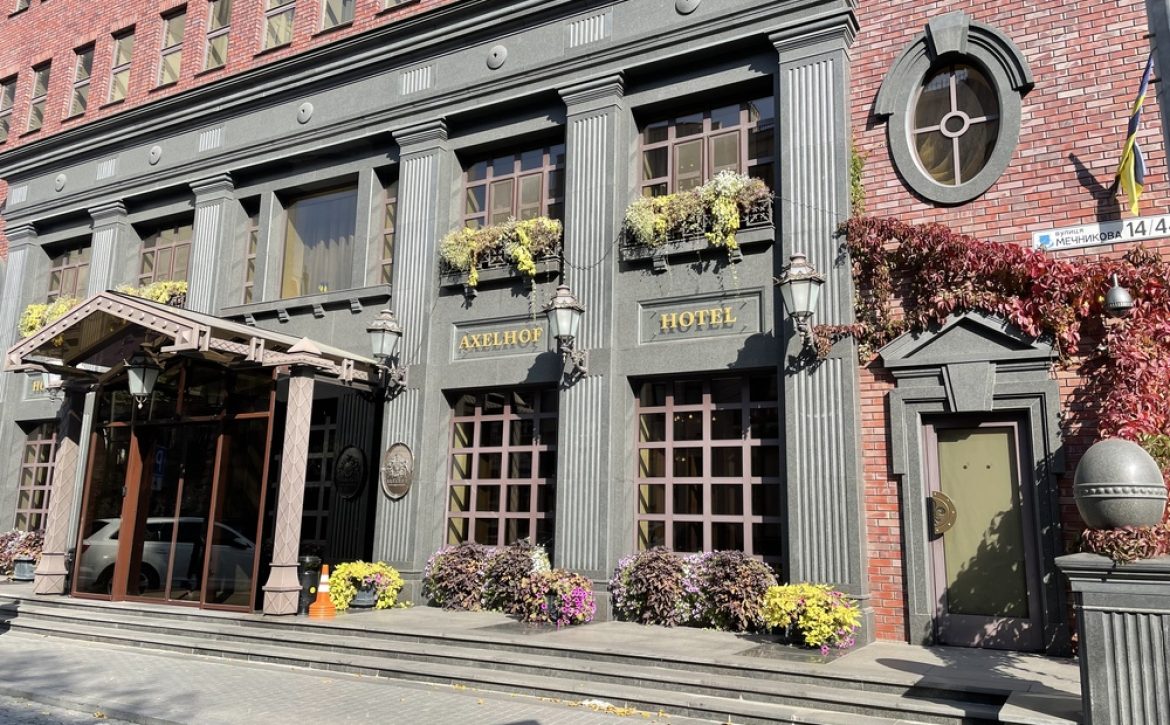
Granite, marble and travertine all have their place in facade design. Granite is considered one of the most durable natural stones and performs well in locations where the facade is exposed to demanding weather conditions. Granite cladding creates a strong and distinctive appearance, while a wide range of shades makes it possible to create both restrained modern and highly representative architectural solutions.

Marble brings a distinctive pattern and elegant appearance to architecture. Marble cladding can give a facade a luxurious character, but the specific type of stone, surface treatment and environmental conditions must be carefully assessed before installation. Different types of marble have different properties, and their suitability for exterior use should always be evaluated individually.

Travertine is known for its natural porosity and warm shades. Travertine cladding creates a softer, more natural impression and works well in architecture that combines stone with wood, plaster or large glazed surfaces. When used outdoors, proper surface treatment and protection against moisture penetration are important.

Natural stone cladding has a distinctive appearance compared with many industrially manufactured materials. Each piece may have slightly different veining, texture or colour. This natural variation gives the facade character and prevents it from appearing flat or mass-produced.

Facade Design in Slovak Conditions Requires Careful Planning

The diversity of the climate creates different requirements for stone facades in Slovakia. Buildings in mountainous areas face more intense frost and snow, while urban properties may be exposed to significant overheating and air pollution. Material selection should therefore be based on the actual conditions of the location rather than on a purely visual concept.

Stone facades in Slovakia often combine durability with a natural appearance. With the right design, a facade can look traditional, minimalist or highly representative. Natural stone facades in Slovakia are becoming increasingly popular because they allow architects to work with different formats, surface finishes and installation patterns.

Modern new-build homes often use large-format materials with clean lines. Renovations of older houses may benefit from smaller formats, split surfaces or irregular layouts. The overall stone cladding of a house should respect the proportions of the building. A format that is too small may look visually busy on a large facade, while very large slabs may not suit a highly articulated structure.

Installation Technology Affects the Service Life of the Cladding

Even high-quality material can lose its advantages when installation is carried out incorrectly. Stone facade installation includes an assessment of the substrate, the selection of suitable adhesives or anchoring elements, the preparation of expansion joints and the correct detailing around windows, corners and the plinth. These areas are particularly sensitive in terms of water penetration and structural movement.

Rainwater drainage must also be considered during facade design. Incorrectly designed connections to window sills, the roof or the plinth can lead to moisture accumulation. Long-term durability therefore results from the combination of high-quality stone, a suitable system and precise workmanship.

The cost of a stone facade depends on several variables. The final price is influenced by the type of stone, the thickness and format of the slabs, the method of finishing, the complexity of the building and the difficulty of the installation. When comparing quotations, the full scope of supply should be considered, as the material itself represents only one part of the total project cost.

Stone Cladding for the Home and Interior

Material used on the facade can create a natural connection between the exterior and the interior. Interior stone cladding is used on walls, in entrance halls, kitchens and living spaces. When combined with wood, metal or glass, it creates a modern interior with strong texture and natural depth.

Modern interior stone cladding can work with large smooth surfaces as well as subtly textured finishes. Stone fireplace cladding adds a strong architectural feature to a room, while the material should be selected according to the thermal load of the particular construction. In a living room, a stone wall can become a dominant feature without the need for additional decoration.

When planning the overall budget, the question of the cost of stone cladding often arises. A proper comparison should include the material, finishing, transport, substrate preparation and installation. The cost of stone cladding for a house also depends on the size of the area and the technical complexity of the project. An individual proposal provides a more accurate picture than general price estimates without knowledge of the specific building.

Bratislava Architecture Is Using Stone in Increasingly Bold Ways

In an urban environment, natural stone is used for family homes, administrative buildings and representative commercial properties. Stone cladding in Bratislava can take a minimalist form with large regular slabs or a more expressive appearance with natural veining and texture. The design should take into account not only the architecture of the house but also the surrounding buildings and the character of the street.

A stone facade in Bratislava can complement both a modern new-build and a renovated property. Urban projects often use contrasts between light-coloured stone and dark frames, wood or metal elements. Stone house cladding in Bratislava can therefore acquire an individual character while remaining part of a carefully considered architectural concept.

When choosing a contractor, the ability to combine aesthetic requirements with a technically sound solution is essential. PREMIUM STONES provides the design and installation of stone cladding with consideration for the properties of the selected material, the climate conditions and the architecture of the building.

Durability and Appearance Must Work Together

Modern stone facades can have a clean minimalist appearance, a rustic texture or a distinctive luxurious pattern. Luxury stone facades are particularly effective on representative buildings where attention is paid to finishing details and installation accuracy. Premium stone facades also require careful planning of every connection and the selection of material according to the actual loads placed on the building.

Stone facade cladding in Slovakia must withstand conditions that change considerably throughout the year. Material selection therefore includes an assessment of the specific type of stone, its surface, the fixing method and future maintenance requirements. A stone facade cladding system should function as part of the entire building envelope rather than as an isolated decorative layer without a connection to the technical design of the building.

Professional consultation based on a specific project can make the selection process much easier. Natural stone for a facade can take many forms, but the right choice should always be based on the conditions of the building. Stone facade cladding can therefore provide not only the desired appearance but also the properties required for long-term resistance to weather conditions.

12.06.2026 by admin 0 Comments

Stone Flooring: Advantages Over Other Materials

The choice of flooring significantly affects the appearance of an interior, everyday comfort, and maintenance costs for years to come. Among the materials that retain their value over the long term, stone flooring stands out as one of the best options. Thanks to exceptional durability, natural patterns, and extensive customization possibilities, stone floors are widely used in private homes, apartments, offices, and prestigious commercial spaces. PREMIUM STONES offers comprehensive stone flooring solutions tailored to the requirements of each project and architectural style.

Unlike many conventional flooring materials, natural stone maintains its appearance even after decades of use. Every slab features a unique texture, color variation, and character, creating distinctive interiors with outstanding aesthetic value.

Stone Flooring Slovakia as a Long-Term Investment in Quality

Interest in stone flooring in Slovakia continues to grow, particularly among property owners seeking durable and long-lasting solutions. Laminate and vinyl floors may show signs of wear after several years, while natural stone flooring retains its properties even under intensive use.

Natural stone flooring is resistant to mechanical damage, high temperatures, and moisture. These qualities are highly appreciated in busy households as well as commercial environments where floors are exposed to demanding conditions on a daily basis.

  • high material strength and stability
  • minimal surface wear
  • easy maintenance
  • timeless appearance that remains unaffected by changing trends
  • increased property value

The combination of functionality and aesthetics makes natural stone an attractive alternative to wood, laminate, and ceramic imitation materials.

Stone Flooring Bratislava and the Growing Demand for Premium Solutions

Stone flooring is becoming increasingly popular in modern urban projects throughout Bratislava. Architects and investors appreciate its elegant appearance, prestigious character, and exceptional longevity. Large open spaces combined with high-quality lighting allow the natural beauty of stone to stand out fully.

Luxury stone flooring is frequently used in private villas, office buildings, hotels, and showrooms. Compared to alternative materials, stone creates a stronger impression of stability, prestige, and quality.

PREMIUM STONES manages projects from the design stage through final installation. An individual approach allows each custom stone floor to be adapted to the layout of the space, preferred surface finish, and overall interior style.

Marble Flooring and Granite Flooring in Contemporary Interiors

Among the most sought-after materials are marble flooring and granite flooring. Each option offers distinct characteristics and a unique visual effect.

Marble flooring impresses with elegant veining and a luxurious appearance. In representative spaces, it creates a refined atmosphere and complements both modern and classic interiors. Light-colored marble surfaces visually enlarge rooms and enhance the feeling of openness.

Granite flooring is valued for its exceptional hardness and durability. It is an ideal choice for entrance halls, kitchens, and commercial premises with high traffic levels. Granite maintains its original appearance even under intensive daily use.

Premium stone flooring solutions may also combine different stone types, resulting in original compositions that meet individual client requirements.

Stone Floor Design and Custom Processing Options

Modern stone flooring offers a wide range of design possibilities. Advanced processing technologies make it possible to create minimalist surfaces, striking decorative patterns, and large-format installations with a minimal number of joints.

Stone floor design can be adapted to the specific character of any interior. Popular options include:

  • large-format stone slabs
  • polished high-gloss finishes
  • matte and honed surfaces
  • combinations of multiple stone varieties
  • geometric and decorative patterns

Stone paving can create a seamless transition between indoor and outdoor spaces. Using the same material in both areas ensures visual continuity and a contemporary architectural effect.

Stone Floor Installation and Factors Influencing the Final Result

Professional stone floor installation is a crucial factor in ensuring the long-term performance of the entire project. Accurate subfloor preparation, expert laying techniques, and proper finishing treatments affect both the appearance and durability of the flooring.

The experienced team at PREMIUM STONES pays close attention to every detail. Thorough planning minimizes the risk of future issues and ensures flawless installation of every element.

A custom stone floor also makes it possible to accommodate unusual layouts, staircases, transitions between rooms, and spaces equipped with underfloor heating. Natural stone conducts heat efficiently, contributing to a higher level of living comfort.

Stone Flooring Cost Compared to Alternative Materials

The cost of stone flooring is often higher than that of standard floor coverings. However, when viewed from a long-term perspective, overall lifespan, maintenance expenses, and the preservation of aesthetic value become the most important considerations.

Materials with a lower initial purchase price may require replacement or extensive repairs after only a few years. Natural stone, on the other hand, retains its properties for decades. This factor has a significant impact on the overall economics of the investment.

Stone flooring solutions from PREMIUM STONES combine skilled craftsmanship, high-quality materials, and a personalized approach. The result is natural stone flooring that offers functionality, aesthetic appeal, and lasting value. In both modern and traditional interiors, stone creates a harmonious environment with a character that remains attractive regardless of changing design trends.

12.06.2026 by admin 0 Comments

Natural Stone for Exterior Use: Terraces, Stairs and Faсades

The exterior defines the first impression of every property. Outdoor spaces determine how a family house, office building or leisure property is perceived. When designing terraces, pathways, staircases and faсades, increasing attention is given to materials that combine aesthetics with long-term durability. One of the most reliable solutions is natural stone for exterior use, which maintains its properties even under demanding climatic conditions.

PREMIUM STONES delivers exterior projects across Slovakia, offering a wide selection of materials suitable for both modern and traditional architecture. Stone integrates naturally into garden design, enhances the character of buildings and ensures high resistance to wear.

Natural Stone for Exterior Terraces and Outdoor Living Spaces in Slovakia

A terrace represents a place for relaxation, family gatherings and everyday outdoor living. Its surface must withstand sunlight, rain, frost and mechanical load. For this reason, natural stone for exterior use is becoming a preferred choice among property owners.

Stone surfaces for exteriors provide a natural appearance and exceptional durability. Unlike many artificial materials, they maintain color stability and texture over many years of use while requiring minimal maintenance, which is especially important for larger outdoor areas.

Commonly used materials for terraces include:

  • granite with high resistance to damage,
  • travertine with an elegant natural appearance,
  • quartzite suitable for heavily loaded exterior surfaces,
  • sandstone creating a smooth transition between house and garden.

A carefully selected material creates a space that remains visually appealing throughout all seasons while naturally complementing the surrounding architecture.

Stone Stairs Slovakia and Modern Solutions for Entrance Areas

Exterior staircases are among the most heavily used structural elements of any building. Daily traffic, temperature fluctuations and moisture exposure place high demands on material quality. Stone stairs Slovakia offer a solution that combines safety, durability and a representative appearance.

Natural stone stairs are used in residential homes, commercial buildings and public spaces. Each project can be tailored to specific dimensions and architectural style.

Granite exterior stairs are especially popular due to their exceptional resistance to mechanical damage and weather conditions. Surface finishing techniques further improve anti-slip properties, ensuring greater safety during rain or winter conditions.

Modern stone stairs are often designed in a minimalist style with clean lines. This approach works well for new buildings while also complementing traditional architecture. Natural stone for stairs offers a wide range of shaping possibilities, allowing the creation of unique and long-lasting entrance spaces.

Stone Faсade as a Timeless Architectural Element

The faсade significantly influences the overall appearance of a building. A well-designed stone faсade enhances architectural value while providing additional protection for exterior structures.

Stone faсades in Slovakia are widely used in modern villas, apartment buildings and commercial properties. Architects often combine natural stone with smooth plaster surfaces to create contrast and visual depth.

Natural stone façade systems offer high resistance to UV radiation, moisture and mechanical wear. When properly installed, they maintain their appearance for decades without requiring extensive renovation.

Natural stone for faсade applications also enhances the representative character of a building. Natural tones and unique stone patterns create an exclusive look that cannot be achieved with industrial cladding materials.

Stone Cladding and Travertine Finishes for Modern Houses

Investors increasingly seek solutions that combine visual appeal with practical performance. Stone faсade cladding is one of the most effective ways to enhance architectural expression without major structural modifications.

Travertine cladding is especially popular due to its refined texture, natural color variations and elegant appearance, making it suitable for luxury residences and high-end commercial buildings.

When planning a project, stone cladding cost is an important consideration. The price depends on material type, project scope, installation complexity and surface treatment. High-quality natural stone, however, delivers long-term value and significantly extends faсade lifespan.

Stone house cladding increases property prestige and creates a harmonious connection between the building and its environment.

Comprehensive Exterior Solutions by PREMIUM STONES

Every successful project results from the combination of quality material, precise design and professional execution. PREMIUM STONES provides comprehensive services from material selection to full installation.

Exterior projects typically include a combination of elements such as:

  • terraces and outdoor living areas,
  • exterior staircases and entrance zones,
  • faсade cladding and decorative wall systems,
  • garden pathways and paved surfaces,
  • architectural details made of natural stone.

This integrated approach ensures a unified exterior design with strong visual coherence. The experience of the PREMIUM STONES team, combined with high-quality materials and attention to detail, delivers solutions that withstand time while enhancing the character of properties across Slovakia.

12.06.2026 by admin 0 Comments

Custom Stone Products: From Concept to Completion

Natural stone is among the materials that retain their value even after decades of use. It stands out for its durability, timeless appearance, and extensive processing possibilities. For this reason, demand for custom stone products continues to grow, offering solutions that perfectly match the requirements of a specific space, architectural concept, and individual vision.

PREMIUM STONES manufactures custom stone products for residential, commercial, and public projects. Every project undergoes a carefully managed process, from the initial consultation to final installation. Thanks to an experienced team, each solution combines aesthetics, functionality, and exceptional craftsmanship.

Custom Stone Products for Modern and Traditional Spaces in Slovakia

Every interior and exterior space has its own unique characteristics. Dimensions, lighting conditions, intended use, and architectural style all influence the choice of material. This is why custom stone products are becoming increasingly popular among homeowners, developers, and designers.

The PREMIUM STONES portfolio includes kitchen countertops, staircases, window sills, wall cladding, fireplace surrounds, bathroom elements, and prestigious outdoor installations. Each project is developed individually with close attention to technical requirements and visual impact.

Stone projects Slovakia include installations in private homes, apartment complexes, office buildings, and luxury commercial properties. A wide selection of materials makes it possible to create solutions for minimalist, industrial, traditional, and contemporary architectural concepts.

Natural Stone Tailored to Individual Requirements and Material Selection

A successful project begins with choosing the right stone. Every material offers distinct characteristics, colors, and textures. The selection process is supported by a natural stone catalog featuring a wide range of materials sourced from renowned quarries around the world.

Natural stone tailored to individual requirements makes it possible to create unique features without compromise. The most sought-after materials include:

  • granite for heavily used surfaces and kitchen worktops,
  • marble for prestigious interiors and luxury details,
  • quartzite for highly durable exterior applications,
  • travertine for elegant façades and terraces,
  • onyx for exclusive design solutions.

Every architectural natural stone material offers a distinctive pattern and character. As a result, each project acquires a unique appearance that cannot be replicated with mass-produced materials.

Stone Solutions for Architects and Designers

Modern architecture requires flexibility, precision, and the ability to meet non-standard requirements. Stone solutions for architects provide opportunities to create unique elements in full accordance with project specifications.

PREMIUM STONES collaborates with architectural studios throughout all project stages. Consultations include material selection, technical solutions, sampling, and optimization of manufacturing processes.

Stone solutions for designers are equally important for creating interiors with a distinctive identity. Natural stone combines a luxurious appearance with long-term durability while serving as a strong visual feature without excessive decorative elements.

International markets are also seeing growing demand for solutions known as custom natural stone. This approach emphasizes project individuality and a high level of craftsmanship.

Stone Cutting in Slovakia and Advanced Manufacturing Technologies

The quality of the final product depends on manufacturing precision. Stone cutting Slovakia is carried out using advanced technologies that ensure maximum accuracy, even when producing complex details.

Digital measurements, computer-controlled cutting systems, and precise surface finishing enable the production of elements with minimal tolerances. Such processes ensure superior quality while reducing project timelines.

Stone carving is also an important part of production. Custom engravings, decorative reliefs, and personalized architectural features add uniqueness to each project. Attention to detail significantly enhances the overall visual impression.

Installation of Stone Products and Quality Control

Even the finest product requires professional installation. Installation of stone products is a critical stage that directly influences both appearance and long-term performance.

Experienced installation specialists ensure precise placement of all elements, including final adjustments and detailed quality inspections. Particular attention is given to:

  • accuracy of joints and connections,
  • structural stability,
  • surface protection during installation,
  • dimensional accuracy verification,
  • long-term functionality of the finished project.

This coordinated approach results in premium stone products that meet the highest aesthetic and technical standards.

Natural Stone Supplier in Slovakia for Individual Projects

Selecting a reliable partner has a significant impact on the success of any project. A natural stone supplier Slovakia should possess extensive experience, strong production capabilities, and the expertise required to handle projects of various sizes.

PREMIUM STONES provides a complete service package, from concept development to final project delivery. Clients benefit from expert consultation, access to a wide selection of materials, and professional execution through a single trusted partner.

Customers can easily order stone products tailored to their specific requirements without being limited to standard dimensions or predefined solutions. An individual approach makes it possible to create projects that complement both the architecture of the property and the personal preferences of the client.

The combination of high-quality materials, advanced technologies, and an experienced team delivers results that maintain their value for many years. Every project reflects a balance of skilled craftsmanship and the natural beauty of stone, creating timeless solutions throughout Slovakia.