

Stone Facade Cladding: Choosing Stone According to Climate
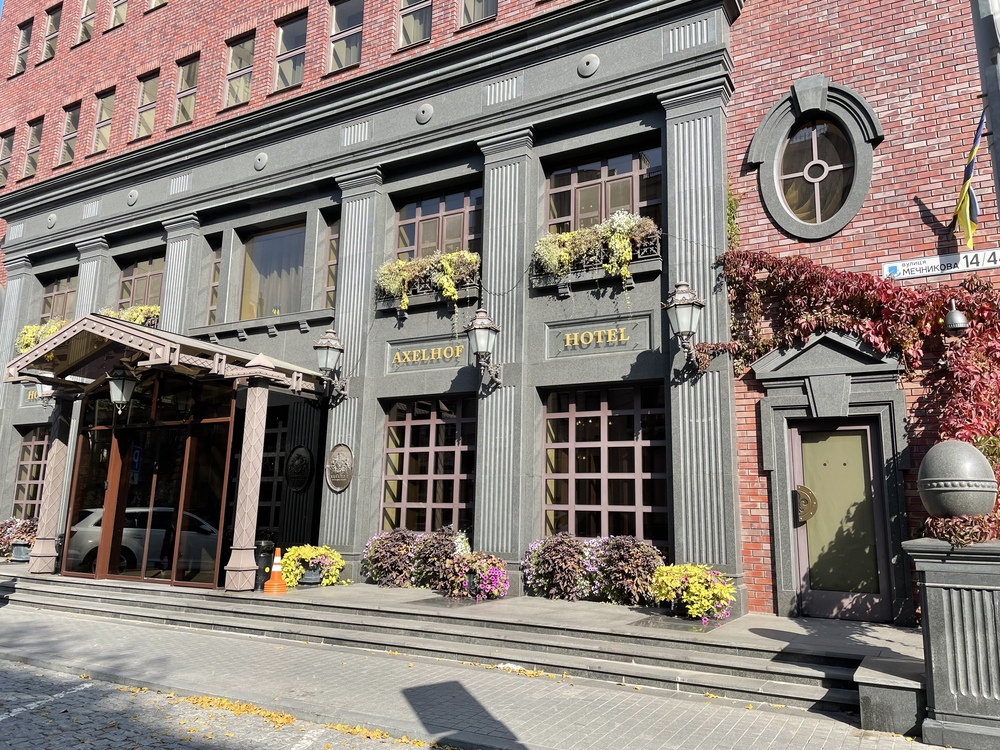
The choice of material for the exterior walls of a house affects not only the appearance of the building but also its service life. Stone cladding must withstand rain, frost, intense sunlight, temperature fluctuations and the constant influence of the surrounding environment. A stone that looks perfect in a catalogue may not be the right choice for every facade. The key lies in combining the properties of a particular material with the conditions in which it will be used over the long term.
Facade design therefore begins with an analysis of the building. The orientation of the walls, the location of the house, the amount of precipitation, winter temperatures and the level of solar radiation all play an important role. A building in a cold mountainous area has different requirements from a house in a warmer urban environment. A professional solution takes all these circumstances into account before a particular slab or format is selected.
Why Climate Conditions Matter When Choosing Stone
Water is one of the greatest threats to an incorrectly designed cladding system. If a material absorbs a significant amount of moisture and the temperature subsequently falls below freezing, the water in its pores expands. Repeated freezing and thawing can gradually weaken the structure of the stone. When choosing a facade material, it is therefore not enough to consider only colour and hardness. Water absorption, frost resistance and the correct technical preparation of the substrate are equally important.
Buildings exposed to intense sunlight also require attention to colour stability. Dark materials absorb more heat and can become significantly warmer during the day. When the temperature drops in the evening, thermal changes occur that must be handled by both the stone itself and the entire fixing system. A high-quality stone facade cladding solution therefore requires not only the right material but also a technology that takes natural thermal expansion into account.
During the planning stage, the following factors are particularly important:
- the amount of precipitation and long-term humidity around the building;
- the number of freezing and thawing cycles during the year;
- the intensity of solar radiation and temperature differences between day and night;
- the orientation of the facade, the height of the building and exposure to wind.
The Facade Material Should Be Adapted to the Specific Building
Granite, marble and travertine all have their place in facade design. Granite is considered one of the most durable natural stones and performs well in locations where the facade is exposed to demanding weather conditions. Granite cladding creates a strong and distinctive appearance, while a wide range of shades makes it possible to create both restrained modern and highly representative architectural solutions.
Marble brings a distinctive pattern and elegant appearance to architecture. Marble cladding can give a facade a luxurious character, but the specific type of stone, surface treatment and environmental conditions must be carefully assessed before installation. Different types of marble have different properties, and their suitability for exterior use should always be evaluated individually.
Travertine is known for its natural porosity and warm shades. Travertine cladding creates a softer, more natural impression and works well in architecture that combines stone with wood, plaster or large glazed surfaces. When used outdoors, proper surface treatment and protection against moisture penetration are important.
Natural stone cladding has a distinctive appearance compared with many industrially manufactured materials. Each piece may have slightly different veining, texture or colour. This natural variation gives the facade character and prevents it from appearing flat or mass-produced.
Facade Design in Slovak Conditions Requires Careful Planning
The diversity of the climate creates different requirements for stone facades in Slovakia. Buildings in mountainous areas face more intense frost and snow, while urban properties may be exposed to significant overheating and air pollution. Material selection should therefore be based on the actual conditions of the location rather than on a purely visual concept.
Stone facades in Slovakia often combine durability with a natural appearance. With the right design, a facade can look traditional, minimalist or highly representative. Natural stone facades in Slovakia are becoming increasingly popular because they allow architects to work with different formats, surface finishes and installation patterns.
Modern new-build homes often use large-format materials with clean lines. Renovations of older houses may benefit from smaller formats, split surfaces or irregular layouts. The overall stone cladding of a house should respect the proportions of the building. A format that is too small may look visually busy on a large facade, while very large slabs may not suit a highly articulated structure.
Installation Technology Affects the Service Life of the Cladding
Even high-quality material can lose its advantages when installation is carried out incorrectly. Stone facade installation includes an assessment of the substrate, the selection of suitable adhesives or anchoring elements, the preparation of expansion joints and the correct detailing around windows, corners and the plinth. These areas are particularly sensitive in terms of water penetration and structural movement.
Rainwater drainage must also be considered during facade design. Incorrectly designed connections to window sills, the roof or the plinth can lead to moisture accumulation. Long-term durability therefore results from the combination of high-quality stone, a suitable system and precise workmanship.
The cost of a stone facade depends on several variables. The final price is influenced by the type of stone, the thickness and format of the slabs, the method of finishing, the complexity of the building and the difficulty of the installation. When comparing quotations, the full scope of supply should be considered, as the material itself represents only one part of the total project cost.
Stone Cladding for the Home and Interior
Material used on the facade can create a natural connection between the exterior and the interior. Interior stone cladding is used on walls, in entrance halls, kitchens and living spaces. When combined with wood, metal or glass, it creates a modern interior with strong texture and natural depth.
Modern interior stone cladding can work with large smooth surfaces as well as subtly textured finishes. Stone fireplace cladding adds a strong architectural feature to a room, while the material should be selected according to the thermal load of the particular construction. In a living room, a stone wall can become a dominant feature without the need for additional decoration.
When planning the overall budget, the question of the cost of stone cladding often arises. A proper comparison should include the material, finishing, transport, substrate preparation and installation. The cost of stone cladding for a house also depends on the size of the area and the technical complexity of the project. An individual proposal provides a more accurate picture than general price estimates without knowledge of the specific building.
Bratislava Architecture Is Using Stone in Increasingly Bold Ways
In an urban environment, natural stone is used for family homes, administrative buildings and representative commercial properties. Stone cladding in Bratislava can take a minimalist form with large regular slabs or a more expressive appearance with natural veining and texture. The design should take into account not only the architecture of the house but also the surrounding buildings and the character of the street.
A stone facade in Bratislava can complement both a modern new-build and a renovated property. Urban projects often use contrasts between light-coloured stone and dark frames, wood or metal elements. Stone house cladding in Bratislava can therefore acquire an individual character while remaining part of a carefully considered architectural concept.
When choosing a contractor, the ability to combine aesthetic requirements with a technically sound solution is essential. PREMIUM STONES provides the design and installation of stone cladding with consideration for the properties of the selected material, the climate conditions and the architecture of the building.
Durability and Appearance Must Work Together
Modern stone facades can have a clean minimalist appearance, a rustic texture or a distinctive luxurious pattern. Luxury stone facades are particularly effective on representative buildings where attention is paid to finishing details and installation accuracy. Premium stone facades also require careful planning of every connection and the selection of material according to the actual loads placed on the building.
Stone facade cladding in Slovakia must withstand conditions that change considerably throughout the year. Material selection therefore includes an assessment of the specific type of stone, its surface, the fixing method and future maintenance requirements. A stone facade cladding system should function as part of the entire building envelope rather than as an isolated decorative layer without a connection to the technical design of the building.
Professional consultation based on a specific project can make the selection process much easier. Natural stone for a facade can take many forms, but the right choice should always be based on the conditions of the building. Stone facade cladding can therefore provide not only the desired appearance but also the properties required for long-term resistance to weather conditions.